

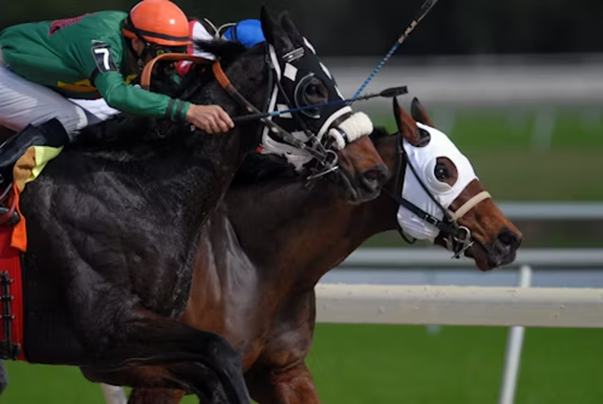
Every bettor knows the rush of watching a horse they picked thunder down the stretch. Yet seasoned racing fans will tell you that the real key to long-term success isn’t simply finding winners, it’s finding value.
A “value bet” doesn’t always cash the ticket, but over time it offers the edge that keeps bettors in the game. This season, with major meets underway and a packed racing calendar, spotting value is more important than ever. Here’s how to sharpen your eye for opportunities hidden in the odds.
Understanding What “Value” Really Means in Horse Racing
Value betting identifies when the odds underestimate a horse’s true chance of winning, making a bet profitable even if the horse doesn’t win every time..
Calculating Implied Probability
Odds tell a story, but not the full one. Converting them into implied probability is the first step. For decimal odds, the formula is simple:
Implied Probability = 1 ÷ Odds
For example, a horse listed at 5.0 odds implies a 20% chance of winning (1 ÷ 5.0). If your analysis or research suggests the horse’s true chance is closer to 30%, that difference represents value and an opportunity to place a smart bet.
Spotting Value Mathematically
Once you’ve estimated a horse’s true probability, compare it to the odds:
(True Probability × Odds) – 1
A result greater than zero signals potential value. Naturally, these calculations depend on your handicapping skills, which is where the real craft, and insight, comes into play. Successful bettors combine data, race conditions, and intuition to refine their probabilities, turning these calculations into actionable strategies that can consistently uncover profitable opportunities.
Factors That Help You Estimate a Horse’s True Chances
Numbers alone don’t win at the track. To assess a horse’s real potential, bettors weigh multiple factors that shape performance.
Recent Form & Consistency
A horse that has been finishing close to the leaders, even without wins, may be sharper than the odds suggest. Consistency over several races often signals reliability, indicating the horse maintains fitness and can handle different track conditions. Observing trends in finishing positions, margins behind the winner, and improvement over successive races can reveal patterns that casual bettors might overlook, highlighting contenders who could outperform expectations on race day.
Track & Distance Specialization
Some horses come alive on turf, while others dominate on dirt. Likewise, certain distances play to a horse’s stamina or speed. Identifying these strengths helps uncover overlooked value, as a horse may be undervalued when shifting to its preferred surface or distance. Historical performance data, split times, and sectional analysis provide insight into how a horse responds to specific conditions, allowing bettors to weigh each runner’s optimal environment against the current race setup.
Trainer & Jockey Performance
Racing is as much about people as horses. Trainers in good form or jockeys who’ve clicked with a particular horse can tilt the scales in subtle ways. A trainer’s recent win rate or success with similar horses often impacts outcomes more than raw statistics, while jockey-horse combinations with proven chemistry can be the difference between a close second and a win. Tracking these patterns using detailed racing performance and trend analyses from established analytics sites can give bettors a clearer picture of which horses are likely to excel.
Race Pace Setup
How a race unfolds often determines which horses have the best chance. A field of front-runners may set a fast pace, favoring closers, while a lone speed horse can sometimes dominate. Studying past races for pace patterns and finishing speed helps identify horses that benefit from specific setups.
Weather & Track Conditions
Weather and track conditions can change outcomes quickly. A downpour that softens the track can hurt a favorite and help a horse suited to softer ground. Bettors who track forecasts and each horse’s history under similar conditions can spot hidden value and make smarter wagers. Understanding how different surfaces affect speed, stamina, and footing can give a crucial edge when evaluating odds.
Where to Look for Overlooked Contenders
The betting markets don’t always get it right. Horses with potential often fly under the radar, creating chances for sharp-eyed bettors.
- Improving Horses: Look for upward trajectories in recent form, even if they haven’t broken through yet,
- Sneaky Good Efforts: A horse trapped on the rail or blocked in the stretch may have run better than the final position shows,
- Class Droppers: Horses stepping down after tough competition can look stronger against weaker fields,
- Underestimated Longshots: High-odds runners with tactical advantages or favorable breeding often surprise,
- Beaten by Quality Rivals: Horses that lost to elite company may find easier pickings in their next outing.
In addition to evaluating these subtle signs, many bettors compare their own analysis with trusted resources like FanDuel horse racing picks, which highlight contenders that might not be obvious from the betting board alone. Blending personal handicapping with expert perspectives can uncover value others miss.
Avoiding Bets That Offer Little Value
Spotting value also means knowing when not to bet. Some wagers may look appealing but carry little upside.
- Vulnerable Favorites: The public often overestimates favorites. Weak post positions, declining speed figures, or unsuitable distances can all spell trouble,
- Over-Bet Popular Horses: Hype drives odds down, reducing the potential return. Chasing these bets rarely pays off,
- Dutch Betting: Spreading small stakes across multiple contenders can create balance without overcommitting,
- Exotic Bets: Exactas, trifectas, and Pick 4s can deliver larger payouts and allow creative ways to structure tickets. They’re best used selectively when the odds suggest value, especially in races where multiple contenders look evenly matched,
- Show Betting for Consistency: Safer wagers on favorites to finish in the top three can protect bankrolls but don’t often deliver significant value.
Managing Your Bankroll Like a Pro
Value betting works only if you can stay in the game long enough to see results. Bankroll management keeps bettors from burning out.
- Set a Budget: Decide in advance how much you’re willing to risk,
- Use a Percentage System: Wager a fixed percentage of your bankroll (often 1–2%) on each race,
- Avoid Chasing Losses: Stick to your plan even on bad days.
This approach ensures you’re still around to take advantage when genuine value presents itself.
Building Your Value Mindset
Value betting isn’t about predicting every winner. It’s about playing the long game, identifying opportunities where the odds don’t reflect reality, and trusting that over time the numbers will favor smart decisions.
By calculating implied probabilities, evaluating form and conditions, and watching for overlooked contenders, bettors can approach each race with confidence. Combine that with disciplined bankroll management and the right tools, and spotting value becomes more than luck, it becomes a way of thinking. This season, every card offers a chance to test that mindset, and the sharpest bettors will be ready to seize it.
*Content reflects information available as of 29/09/2025; subject to change


