

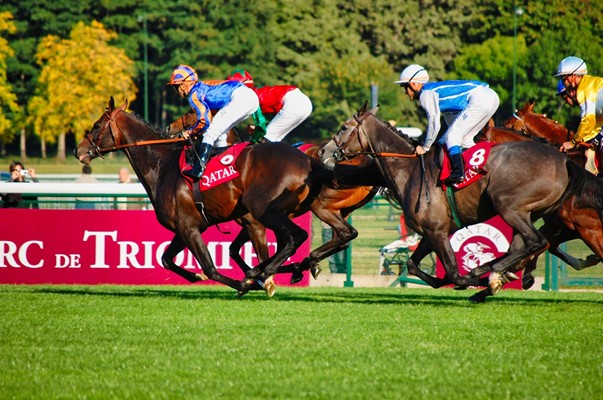
Weather plays a crucial role in UK horse racing, influencing everything from race scheduling and track conditions to horse performance, jockey tactics, and betting outcomes. Given Britain’s famously changeable climate, understanding how different weather conditions affect racing is essential for trainers, owners, punters, and racing fans alike. Its impact on horse racing betting odds is something that you may be interested in if you enjoy a flutter.
The Importance of “Going” in UK Racing
In UK racing, the term “going” describes the condition of the racecourse surface, and it is largely determined by recent and current weather. Rainfall, temperature, wind, and sunshine all contribute to how firm or soft the ground becomes.
The official going descriptions range from hard and firm at one end to heavy at the other, with variations such as good, good to soft, or soft in between. Each horse has preferences for certain ground conditions, often shaped by breeding, conformation, and running style. A change in weather can therefore dramatically alter a horse’s chances from one day to the next.
Rain: The Most Influential Factor
Rain is arguably the most significant weather variable in UK horse racing.
Flat racing: Excessive rain can turn good ground into soft or heavy, which tends to favour horses with stamina rather than speed. Some fast, lightly built horses struggle to pick up on softer surfaces.
Jump racing (National Hunt): Softer ground is more common and often more suitable, but very heavy ground can make races attritional, increasing fatigue and the risk of falls.
Prolonged rainfall can also lead to abandoned meetings if courses become waterlogged, especially during the winter months. Racecourses invest heavily in drainage systems, but extreme weather can still overwhelm them.
Dry Weather and Firm Ground
Extended dry spells, particularly in late spring and summer, can result in firm or even hard ground.
Firm ground generally produces faster race times and suits horses with efficient, low-kneed action. However, very hard ground raises welfare concerns, increasing the risk of joint injuries and strains.
To mitigate this, many UK racecourses water their tracks during dry periods to maintain safe racing conditions. Decisions around watering are often closely scrutinised, as too much or too little can significantly alter the fairness of racing.
Temperature Extremes
Cold Weather
During winter, low temperatures can lead to frozen ground, especially overnight. Frozen turf is unsafe for horses, and inspections are common in cold spells. Frost covers are sometimes used, but prolonged freezing conditions frequently result in abandonments.
Cold weather can also affect:
Horse muscle flexibility
Recovery times
Travel conditions for horses and staff
Hot Weather
Although less common in the UK, heatwaves are becoming more frequent. High temperatures can:
Increase the risk of dehydration and heat stress in horses
Affect jockey welfare, particularly in long-distance races
Lead to changes in race timings or additional veterinary checks
Wind: The Hidden Influence
Wind is often overlooked but can have a noticeable impact on race outcomes.
Strong headwinds can blunt the speed of front-runners.
Tailwinds may favour prominent racers and lead to quicker overall times.
On exposed tracks, crosswinds can unsettle inexperienced horses.
Tactical riding becomes especially important in windy conditions, with jockeys often seeking cover behind other runners.
Fog and Visibility
Fog is a relatively rare but serious issue in UK racing. Poor visibility can compromise safety for jockeys and officials, occasionally forcing races to be delayed or abandoned. Even when racing goes ahead, fog can make judging distances and finishing positions more challenging.
Weather Differences: Flat vs Jump Racing
Weather affects flat and jump racing differently:
Flat racing (spring to autumn) is more sensitive to extremes of firm or heavy ground, with speed being a key factor.
Jump racing (autumn to spring) is more accustomed to soft conditions, but persistent rain can turn races into gruelling stamina tests.
As a result, some horses are campaigned only in specific seasons to ensure optimal ground conditions.
Impact on Betting and Form Analysis
For bettors, weather is a critical part of form study. Sudden changes in going can:
Render previous form irrelevant
Cause late market moves
Lead to non-runners if conditions no longer suit certain horses
Savvy punters pay close attention to weather forecasts, course drainage characteristics, and historical performance on similar ground.
Climate Change and the Future of UK Racing
Climate change is increasingly influencing UK horse racing. More intense rainfall, longer dry spells, and hotter summers are presenting new challenges for racecourses. Adaptations such as improved drainage, advanced irrigation systems, and revised racing calendars are becoming essential to maintain safety and competitiveness.
Final Thoughts
Weather is an ever-present and powerful force in UK horse racing. From shaping the going underfoot to influencing race tactics, safety decisions, and betting markets, its impact cannot be overstated. In a country where the forecast can change rapidly, adaptability remains key for horses, humans, and the sport itself.