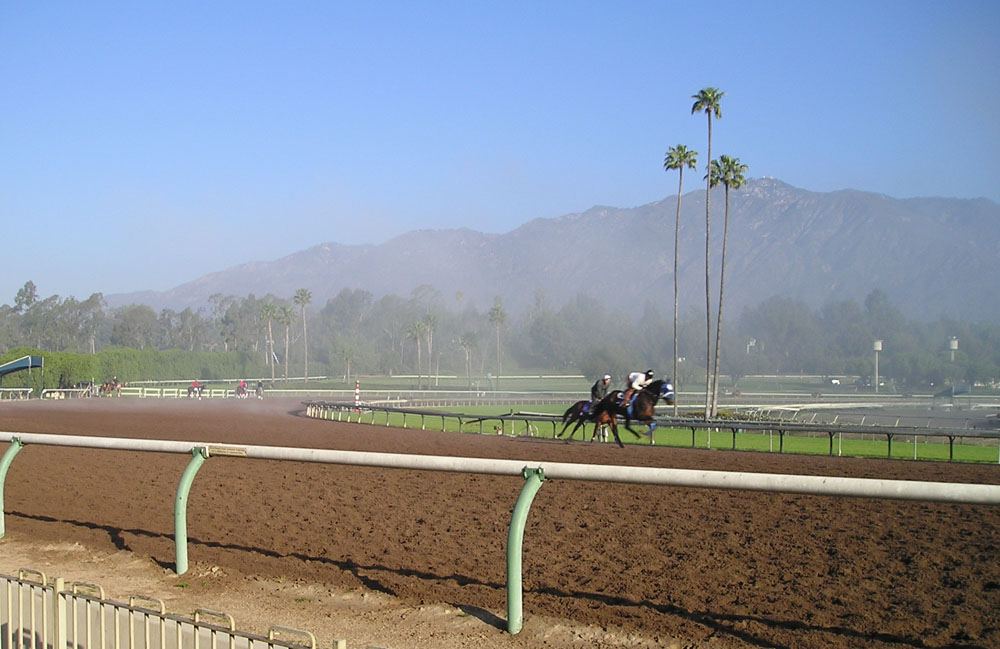

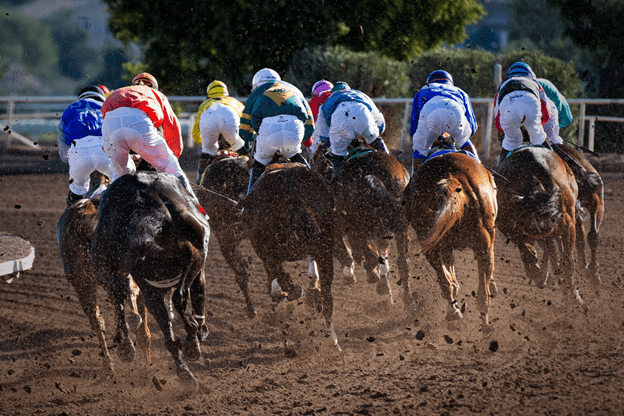
Every winter, the Fountain of Youth Stakes arrives as a race where promise meets the opportunity for proof. Early-season 3-year-olds flash raw talent, but this race asks tougher questions, such as whether the runner’s speed can stretch two turns, and more broadly, whether the juvenile class still matters in February.
At 1 1/16 miles over Gulfstream Park’s dirt, form becomes more than numbers on a page. It becomes a test of development, conditioning, and adaptability.
Recent races, trainer intent, and running styles offer the clearest clues at this stage. Together, they show which Colts are climbing toward peak form and which may see the margin for error shrink as the pace sharpens.
Key Contenders: Individual Form Profiles and Trajectories
The 2026 field brings together improving locals, proven juvenile class, and at least one pure speed wildcard. Each contender enters with a distinct form pattern that shapes expectations.
Bravaro: Form on the Rise
Bravaro’s Holy Bull Stakes effort hinted at a colt moving in the right direction. Off a three-month layoff, he tracked the pace and finished a clear second, showing stamina and professionalism rather than flash. That kind of effort carries weight at this point in the season.
Second starts after a layoff often bring improvement, particularly at Gulfstream. Bravaro’s pedigree supports two turns, and his stalking style suits the surface. From a betting standpoint, Bravaro offers reliability over volatility, with form that suggests a steady, sustained finish.
Solitude Dude: Speed-Based Form Under Pressure
Few horses in the crop can match Solitude Dude’s raw pace. His Swale Stakes win was decisive, pairing elite speed figures with a gate-to-wire trip that never came under pressure. Sprint form of that caliber naturally draws attention.
The stretch-out raises real questions. Two turns test a horse’s ability to rate, conserve energy, and finish, areas where pure speed is often exposed. Gulfstream has seldom rewarded one-dimensional frontrunners at this distance.
Napoleon Solo: Proven Class, Reset Form Cycle
Napoleon Solo brings Grade 1 credentials into his 3-year-old debut, having dominated the Champagne Stakes last fall. That race showcased not only speed, but authority. Since then, patience has defined his preparation.
Fresh form can cut both ways. Some horses fire immediately, while others need a race to regain sharpness. His work pattern suggests this return is intentional, with upside tied closely to fitness, if his juvenile class resurfaces early.
Commandment: Consistent Local Form
Commandment lacks the flash of some rivals, yet his Mucho Macho Man Stakes win deserves respect. He handled the Gulfstream surface with aplomb, rated kindly, and finished with purpose. That consistency often gets overlooked in favor of higher speed figures.
His form profile suggests incremental improvement rather than sudden leaps. Horses like this tend to reward patient trips and fair odds. In multi-race betting sequences, Commandment fits the mold of a steady inclusion who capitalizes if others falter.
Prep Races and What the Form Lines Actually Tell Us
Recent prep races provide the clearest lens into current condition. Numbers matter, but context matters more.
Holy Bull Stakes: The Route Form Benchmark
The Holy Bull has long been the most predictive stepping stone into this race, especially for evaluating developing three-year-olds at Gulfstream. It tests pace, positioning, and stamina over the same surface and distance configuration.
Several Fountain of Youth contenders arrive from that race, making trip analysis essential for bettors. Pace pressure, early fractions, and late response shape expectations. When projecting how Holy Bull form carries into the Fountain of Youth Stakes, repeatability over Gulfstream’s dirt is the key question.
Swale Stakes: Sprint Form with Route Implications
The Swale offers a different signal altogether when viewed through a form-based lens. Sprint dominance highlights speed and confidence, yet history shows mixed results when those winners attempt to stretch out around two turns.
Horses able to relax early tend to outperform those reliant on pace control over longer dirt routes. As a result, the Swale-to-Fountain move remains a gamble rooted more in projection than proof.
Patterns That Consistently Decide This Race
Looking beyond the current field helps frame expectations. Over the past decade, Fountain of Youth winners have shared common traits. Tactical speed outranks raw early pace. Prior route experience matters. Horses that can sit just off the leaders often thrive.
Pure front-runners frequently face pressure turning for home, while deep closers often struggle to make up enough ground. Over time, the race has consistently rewarded balance rather than extremes in running style.
Reviewing recent trends, from recent Derby-prep seasons, including the 2025 Fountain of Youth Stakes overview, highlights how developing route horses tend to outperform sprint specialists when points and pressure begin to converge.
Trainer Patterns and Form Development at Gulfstream
Trainer intent often provides clarity when form lines feel ambiguous, especially in early-season stakes where development varies sharply from barn to barn.
Common Gulfstream training patterns:
- Todd Pletcher spaces starts carefully, targeting peak spring performances,
- Saffie Joseph Jr. builds form locally through consecutive dirt routes,
- Brad Cox prioritizes steady progression over early-season peaks.
Recognizing these patterns adds valuable context for handicapping, helping explain why some runners arrive fully cranked while others are clearly using the race as a stepping stone.
Projected Pace and Its Impact on Form Sustainability
Pace ties everything together. This edition projects honest early fractions, with multiple horses capable of contesting the lead. Gulfstream’s configuration often punishes extended speed duels, favoring runners who can adapt mid-race.
Tactical stalkers stand to benefit if early pressure intensifies, while horses reliant on controlling the tempo face tougher questions late in the race. Gulfstream’s short stretch often magnifies this late-race pressure.
From a betting angle, this scenario encourages looking beyond headline speed figures and focusing on adaptability. Versatile runners tend to hold value as pace scenarios shift. Form that survives adversity usually proves the most reliable.
Clarity on the Derby Trail
The 2026 Fountain of Youth Stakes is less about crowning a star and more about separating sustainable development from early-season sparkle. Several contenders arrive, improving, while others must answer new questions under pressure.
By focusing on form cycles, running styles, and race dynamics, this field comes into sharper focus. Some horses look poised to take the next step, while others may begin to reveal their limits.
For racing fans and bettors alike, that clarity is the true value of this race, long before the Derby gates ever open. It offers an early, meaningful read on which contenders can handle both distance and pressure.