

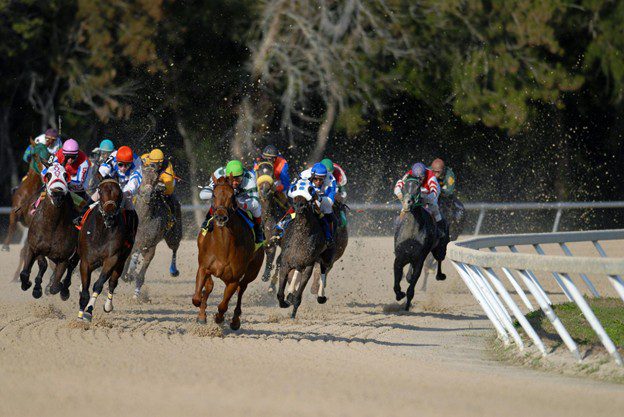
The Preakness Stakes is one of the most exciting events in the Triple Crown series. Each year, it draws a competitive field of three-year-old thoroughbreds and a passionate audience of bettors eager to predict the next winner.
The race’s shorter distance and unique timing after the Kentucky Derby create distinctive conditions that often shift betting strategies and odds in ways that differ from other major races.
Understanding the trends in Preakness horse racing odds can give bettors an edge. These trends reveal how favorites, longshots, and fresh entrants perform, and how odds move from morning-line to post-time.
In this article, we’ll break down the key Preakness odds trends to watch, how to read shifting lines, and how to use those insights to build a smarter betting strategy.
What Shapes Preakness Horse Racing Odds?
Preakness odds are shaped by a combination of factors unique to the race. One of the primary influences is the composition of the field. Horses coming off the Kentucky Derby often enter with a strong profile, but the wear of the longer Derby distance can impact their performance.
Fresh shooters (horses skipping the Derby) offer a wildcard element that can significantly alter betting lines. Bettors should note that oddsmakers balance recent form with potential for improvement, which sometimes results in unexpected shifts in early favorite .
The race distance also plays a role. The Preakness is slightly shorter than the Derby, which tends to favor horses with early speed. Horses known for stamina may see their odds drift as bettors adjust expectations.
Trainers and jockey experience also influences the odds. Successful trainers with a history of strong Preakness finishes can create confidence in the market, even for less proven horses. Similarly, top jockeys can cause last-minute movements in race-day betting lines.
Another key factor is timing. Odds are initially set as a morning line, which serves as a projection of how the market might bet. From that point to post-time, betting activity can push odds higher or lower depending on public and sharp sentiment.
Understanding how these factors interact provides a solid foundation for reading trends in the Preakness odds.
Historical Betting Patterns
Historical patterns reveal critical insights for bettors. Favorites have historically fared well in the Preakness.. However, the market also produces surprises. Horses skipping the Derby, or longshots with an advantageous speed profile, occasionally upset the favorites, offering higher payouts to strategic bettors.
Bettors looking for the most accurate preakness horse racing odds should consult trusted betting platforms for real-time updates and line analysis leading up to the race. By observing these trends, bettors can make informed decisions, weighing the likelihood of favorites holding versus the potential of overlooked contenders.
Patterns also emerge when comparing Derby runners with fresh shooters. Horses that performed well in the Derby often see their odds shorten early in the week, reflecting public confidence. Fresh horses, depending on their prep race results, may start at higher odds but see significant shifts if early betting volume indicates strong interest.
Understanding these tendencies can help bettors identify value bets and avoid overcommitting to popular picks without merit.
Interpreting Odds Movements Before the Race
Reading odds movements is essential for bettors looking to capitalize on shifting lines. Significant shortening of a horse’s odds usually indicates high public demand or expert endorsement, while drifting odds suggest decreased confidence or increased skepticism.
Bettors should learn to differentiate between meaningful movement and market noise. Not every adjustment signals a change in likely outcomes; sometimes it simply reflects heavy money on a horse with less public attention.
Market sentiment often becomes clearer in the days leading up to the race. Bettors should watch for consistent patterns, such as multiple horses moving in opposite directions simultaneously, which can signal a rebalancing of expectations.
Monitoring morning-line odds compared with live, in-play lines helps identify when a horse’s perceived value has shifted. This insight allows bettors to make more strategic choices, whether they are considering simple win bets or more complex exotic wagers like exactas and trifectas.
Understanding why odds move also supports better bankroll management. Large swings in betting lines can tempt bettors to chase value without sufficient analysis. Recognizing the difference between strategic opportunity and reactive overbetting is critical.
Incorporating Trends Into Your Betting Strategy
Trends in Preakness horse racing odds become most useful when integrated into a concrete betting strategy. Bettors should begin by considering both favorite performance and longshot potential. Favorable patterns for favorites can guide win bets, while observing market adjustments can highlight opportunities for higher payouts on less obvious horses.
Combining odds analysis with knowledge of horse form, trainer and jockey success rates, and track conditions ensures a comprehensive approach.
Exotic wagers also benefit from trend analysis. Exactas, trifectas, and superfectas rely heavily on understanding how odds interplay across multiple horses. A horse with drifting odds may present value in an exotic combination even if it is unlikely to win outright.
Conversely, heavy favorite support may indicate low payout potential for simple bets but serve as a reliable anchor in exotic formats. Strategic bettors weigh these variables to maximize both risk management and potential reward.
Using real-time tools allows bettors to see shifts as they happen, applying trend insights directly to wagering decisions. This approach creates an informed, flexible strategy rather than relying on intuition or guesswork. Observing how favorites, longshots, and mid-range contenders interact with each other on the odds board ensures each bet is supported by both historical and current market data.
Betting Smart on the Preakness Stakes
Success in Preakness betting relies on more than luck. Understanding the factors that influence odds, recognizing historical patterns, interpreting market movements, and applying insights to a structured betting strategy give bettors an advantage when evaluating Preakness. By combining knowledge with real-time odds tracking, wagering becomes more informed and less speculative.
The upcoming Preakness Stakes will again showcase speed, strategy, and the unpredictability of horse racing. Bettors who pay attention to trends, monitor odds carefully, and apply a disciplined approach have the best chance of turning insights into results.


