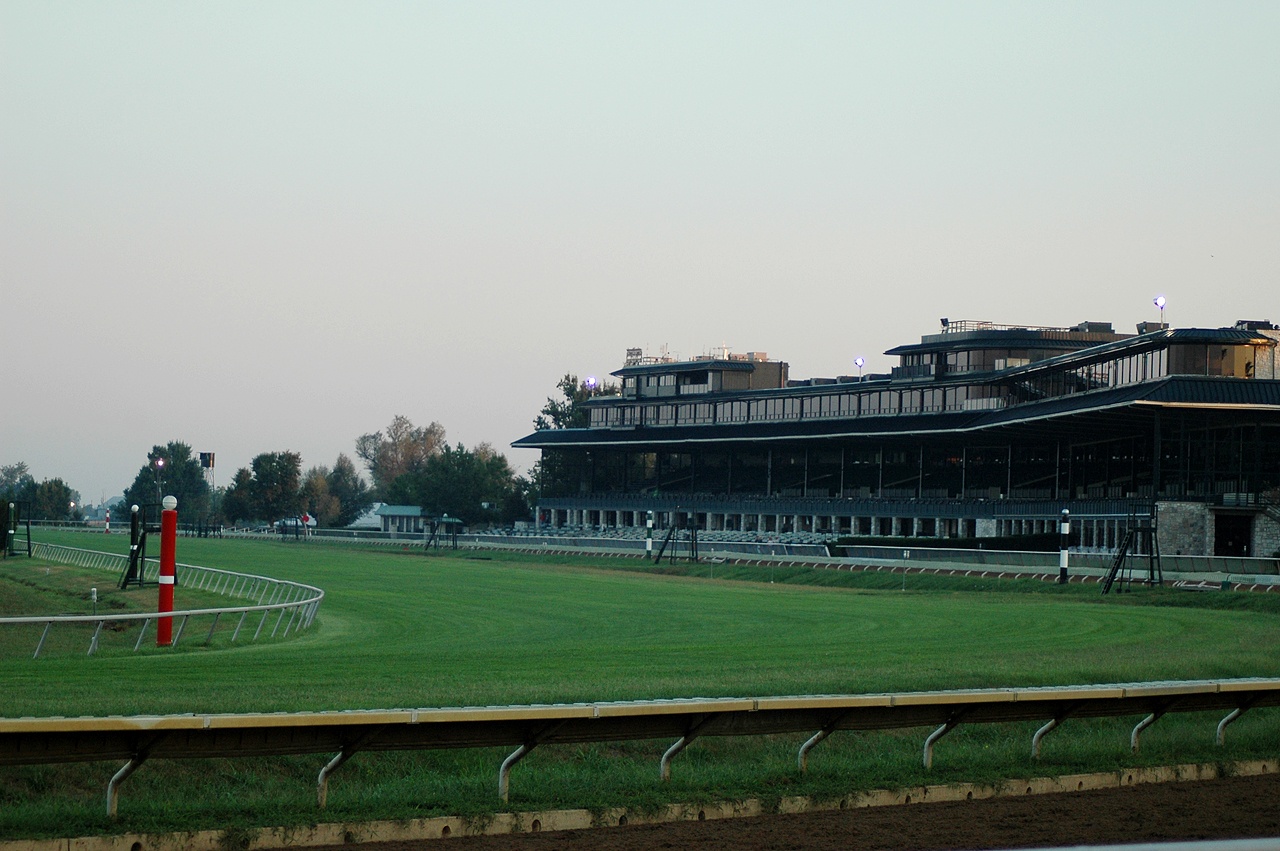
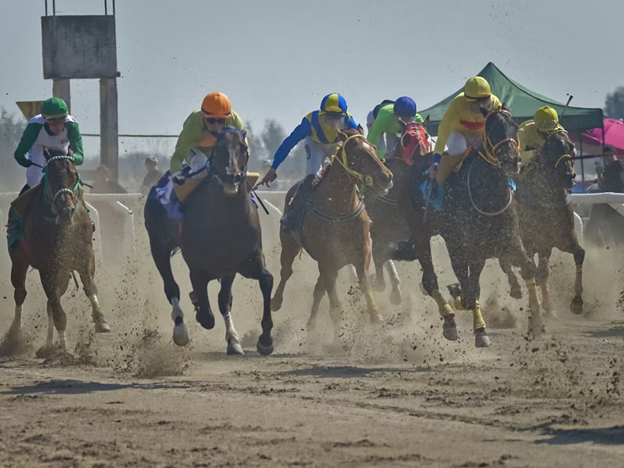
The Belmont Stakes returns on June 6, 2026, with Saratoga Race Course once again hosting the Triple Crown finale in its final year away from Belmont Park. That alone makes this edition unique and worth a closer look from a betting perspective.
The distance shift adds even more intrigue. At 1 1/4 miles instead of the traditional 1 1/2, this race leans less on pure stamina and more on tactical speed and positioning. For bettors, it’s a reminder that this Belmont won’t play by the usual rules.
Early Storylines and Horses to Watch
With weeks to go, no official Belmont field has been set. That doesn’t leave a blank slate; it simply shifts the focus to emerging narratives rather than confirmed entries.
Classic Contenders and Potential Matchups
Much of the early conversation centers on horses expected to compete across the Triple Crown. Names like Sovereignty and Journalism have already generated buzz, and their paths through the Derby and Preakness could shape a potential Belmont matchup. Freshness will play a key role as some run all three legs while others arrive more rested.
Rising 3-Year-Olds From Key Prep Races
Belmont Stakes history often rewards late bloomers. Horses like Baeza, along with runners emerging from prep races such as the Peter Pan, can peak at the right time and gain traction late, especially when they show steady improvement or post strong closing efforts against tougher competition.
Early Market Signals Without Official Odds
Even without official odds, the market begins taking shape early through media projections, analyst chatter, and how horses like Rodriguez are discussed tactically. Trainer intent, race targeting, and workout patterns add context, while upward trends in form often attract attention well before betting lines are set.
How the Saratoga Track Changes Betting Angles
Saratoga isn’t just a different venue; it presents a different puzzle. Its main track often favors horses that stay close to the pace, especially at 1 1/4 miles, shifting how bettors should view this race compared to a traditional Belmont Stakes.
The shift in distance and track profile changes the betting approach. While the traditional Belmont favors deep closers, Saratoga leans toward tactical speed and positioning. Horses that secure a strong early spot and maintain it often have the edge.
Post position plays a key role in that equation. Inside draws help speed horses establish position early, while outside posts can lead to wider, less efficient trips. Clean positioning into the first turn is critical, and overlooking Saratoga’s track bias can prove costly on race day.
Understanding the Pace Scenario Before You Bet
Pace handicapping sits at the heart of Belmont Stakes betting, especially in a race where positioning matters as much as raw ability. At 1 1/4 miles, early tempo can quickly determine which runners finish strongest.
Front-runners will try to control the tempo. Stalkers aim to sit just behind the leaders, waiting for the right moment. Closers rely on a fast early pace to set up their late charge through the demanding Saratoga stretch run.
How the pace typically shapes outcomes:
- A slow pace tends to favor front-runners,
- A fast pace usually benefits closers,
- A balanced pace often gives stalkers the edge.
Picture the race as a chess match rather than a sprint. Each move early on sets up what happens in the final stretch. Identifying the likely pace scenario before placing a bet can make all the difference on race day itself.
Key Betting Factors to Evaluate Before Race Day
Every Belmont Stakes brings its own variables, but a few core factors consistently shape betting decisions. This year, those factors carry even more weight due to the unique conditions.
Distance Suitability at 1 1/4 Miles
At 1 1/4 miles, this race mirrors the Kentucky Derby more than the traditional Belmont, placing less emphasis on pure endurance. Horses with tactical speed and a strong cruising pace have the edge, while balanced speed–stamina pedigrees remain a key success factor.
Recent Form and Speed Figures
Momentum heading into the Belmont is key, with improving speed figures often outperforming early peak form. Strong late finishes signal readiness, and a horse closing ground may offer more value than one that dominated weaker competition.
Triple Crown Fatigue vs Fresh Legs
Three races in five weeks can take a toll, and not every horse handles it the same way. Fresh entrants often have an edge with more energy, while calm, composed behavior on race day can signal readiness compared to more anxious runners.
Exploring Race Day Wagering Options
Understanding the race is one thing. Turning that knowledge into informed wagers is another. The difference often comes down to how well you translate insights into action. Strong analysis only pays off when it’s applied with a clear strategy.
Bettors have a range of options, from simple win bets to exactas and trifectas, each with different levels of exposure and reward. In competitive fields, experienced bettors often favor exotic wagers for stronger returns, especially when favorites face uncertainty.
As race day approaches, comparing formats and insights becomes essential. Exploring available belmont stakes bets alongside race analysis can help bettors better understand wagering options, from straightforward win bets to more complex exotic plays.
Race Day Variables That Could Shift the Odds
Even the best analysis can change in an instant. Race day introduces variables that no bettor can afford to ignore. Conditions rarely stay static from morning to post time. Small shifts can quickly reshape expectations and strategy.
Weather sits at the top of that list. A sudden rainstorm can alter the track surface, favoring different running styles and reshaping the field. Scratches can have a similar effect, especially if a key speed horse is removed and the pace scenario shifts.
Odds movement tells its own story. Late changes often reflect where the money is going, offering clues about market sentiment and potential opportunity. Tracking these shifts can help bettors identify emerging trends before the race begins.
A Belmont Stakes Full of Possibilities
Some Belmont Stakes feel predictable. This one doesn’t. A temporary home at Saratoga, a shorter distance, and an evolving field create uncertainty that makes the race especially compelling. Adding to the intrigue are new stars emerging and familiar names facing fresh challenges.
For bettors, that uncertainty isn’t a drawback, it’s an opportunity. Success will come down to preparation, adaptability, and reading the race as it unfolds. A thoughtful, flexible approach can reveal edges others miss, making the experience as rewarding as the result.
*Content reflects information available as of 23/04/2026; subject to change