
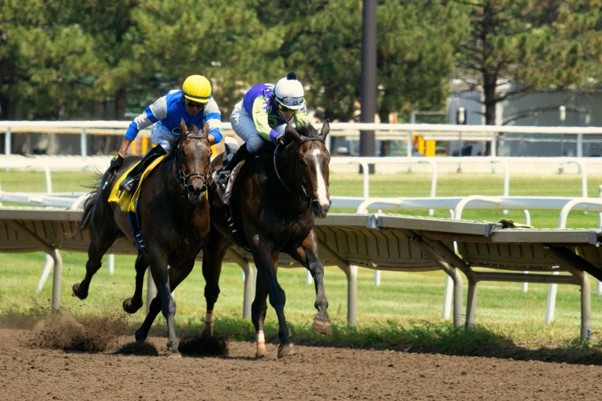
The Whitney Stakes remains one of the premier Grade 1 races on the American horse racing calendar. Held each summer at Saratoga Race Course in New York, the event regularly attracts many of the nation’s top older horses. It often shapes the division heading into the Breeders’ Cup Classic later in the season.
Because of its prestige and competitive fields, the Whitney receives significant attention from racing analysts, handicappers, and fans alike.
Preparing for this year’s Whitney on Saturday, August 8, 2026 involves much more than recognizing familiar names. Successful race analysis comes from understanding recent form, pace dynamics, Saratoga’s unique characteristics, and the subtle changes that occur throughout race week. Reviewing these factors together provides a clearer picture of how each contender fits into the race picture before the field enters the starting gate.
Understanding the Whitney Stakes
The Whitney Stakes has long served as one of the defining tests for older dirt horses in North America. Run over a mile and one-eighth at Saratoga Race Course, the event consistently attracts Grade 1 performers with established resumes. Strong performances here frequently set the tone of championship campaigns later in the season.
Unlike races that feature lightly raced developing horses, the Whitney usually brings together experienced runners with extensive form to evaluate. When evaluating the field, bettors have access to months of speed figures, pace data, class levels, and trainer patterns. That depth of information allows a more complete assessment than would be possible relying only on recent finishing positions.
Because the race takes place during Saratoga’s prestigious summer meet, horses often arrive after competing in major events such as the Stephen Foster Stakes, Metropolitan Handicap, Suburban Stakes, or other high-profile Grade 1 contests. Comparing those performances helps establish how each horse has progressed throughout the season while revealing the quality of competition each contender has recently faced.
Evaluating the Field
Early discussions surrounding the Whitney Stakes odds often begin well before official entries are finalized. Initial projections reflect current form, but they continue evolving as workouts, post positions, and final declarations become available. Rather than focusing on projected prices alone, bettors will benefit from examining the factors that shape those expectations.
Several indicators deserve close attention before race day:
- Recent speed figures across multiple starts instead of one exceptional performance,
- Running style and how it matches the projected pace,
- Previous success against Grade 1 competition,
- Trainer and jockey records at Saratoga during the current meet,
- Consistency across different track conditions.
These details become even more valuable when reviewed together. A horse with slightly lower recent speed figures may present a compelling profile if its preferred running style matches the anticipated pace scenario and its connections have demonstrated consistent success at Saratoga. Looking beyond a single statistic creates a more balanced evaluation of every contender.
Reading Saratoga Conditions
Saratoga Race Course has earned its reputation as the ‘Graveyard of Champions’ as even accomplished horses can face new challenges there. While every Whitney is contested over the same distance, the racing surface may play differently depending on weather, maintenance, and how earlier races unfold throughout the card. Paying attention to those details gives bettors additional context beyond past performances.
Watching the earlier dirt races often provides useful clues before the Whitney is run. Although no two races are identical, patterns sometimes emerge that help explain how the track is playing that afternoon. Those observations become another piece of information alongside form and speed figures rather than replacing them.
Several race day observations deserve attention:
- Whether front runners or closers have performed better during the afternoon,
- Changes in track moisture following rain or maintenance,
- Wind conditions on the backstretch and homestretch,
- How horses are finishing through the final furlong,
- Whether the inside or outside paths appear more productive.
None of these factors guarantees a particular outcome, yet together they help explain why horses sometimes perform differently than expected. Comparing race day observations with each contender’s preferred running style creates a more complete picture before post time.
Following Race Week Updates
Preparation for the Whitney continues throughout race week. Morning workouts, official entries, jockey assignments, and post position draws all provide fresh information that analysts incorporate into their evaluations. Because these updates arrive gradually, many experienced bettors revisit the information several times before the field enters the gate.
Workout reports deserve particular attention because they offer insight into current fitness rather than relying only on previous race results. Trainer interviews and official comments can also provide context about preparation, although they should always be considered alongside objective performance data. Comparing multiple respected racing sources often produces a more balanced assessment than relying on one opinion alone.
Useful race week information includes:
- Official entries and post position draw.
- Final jockey assignments.
- Published morning workouts.
- Weather forecasts leading up to race day.
- Expert analysis from several established handicappers.
Reviewing these developments together allows bettors to refine their understanding of the race without overreacting to a single headline. The strongest evaluations combine long-term performance trends with the latest information released during Whitney week.
Bringing Every Factor Together
The strongest Whitney evaluations are built from several complementary pieces of information rather than a single statistic or opinion. For instance, a horse with the highest speed figures may encounter a pace scenario that differs from previous races.
Another contender may appear less impressive on paper but arrive with improving form, a favorable running style, and strong recent workouts. Looking at the entire picture helps place every performance into context.
Race conditions also continue changing until post time. Official scratches, weather updates, and late track maintenance can all affect how the race develops. Reviewing these changes alongside long-term performance data allows bettors to make thoughtful comparisons rather than react to a single update.
As anticipation for the 2026 Saratoga meet grows, expected Whitney contenders such as Magnitude, Nysos, Sovereignty, and other established older runners have already generated considerable discussion. The anticipated field makes thorough preparation more valuable, even before final entries are confirmed.
Preparing for an Outstanding Whitney
The Whitney Stakes continues to reward careful preparation as every edition presents a unique combination of experienced horses, evolving form, and changing race day conditions.
Rather than focusing on a single angle, bettors will gain a more complete understanding by combining class analysis, pace evaluation, Saratoga trends, workout reports, and race week developments into one overall assessment.
Following trusted racing coverage throughout the week also helps place new information into perspective as official entries, post positions, and workouts become available. By approaching the race with a structured evaluation process instead of relying on one statistic alone, bettors can appreciate the depth of one of Saratoga’s signature events while arriving at a well-informed view of the 2026 Whitney Stakes field.