
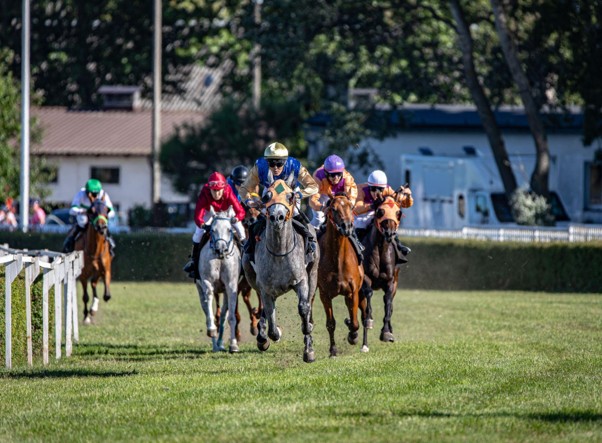
Horse racing offers an exciting combination of athletic performance, strategy, and tradition. For bettors, understanding what happens before a race is just as important as following the action on the track. Each event brings different competitors, racing conditions, and wagering opportunities that deserve attention.
This guide covers standard U.S. Thoroughbred racing, where past performances, race conditions and pari-mutuel markets provide different information about an event. The following five factors help organize that information, while separating an assessment of the horses from the cost and conditions of a wager.
1. Understanding Horse Form and Recent Performance
A horse’s recent racing history provides valuable insight into its current form and suitability for an upcoming event. Rather than focusing exclusively on where a horse finished, bettors can examine how the race developed and whether the horse maintained its pace through the final stages.
Gaining ground late does not establish that a horse will handle a longer distance. The leaders may have slowed after a demanding early pace. Similarly, fading after leading can reflect pace, distance, opposition or other circumstances. Compare fractional times, finishing margins and previous distance results before interpreting either pattern.
Several performance indicators deserve attention:
- Recent results: Compare finishing positions and margins across several starts, noting differences in pace and race conditions.
- Race distance: Examine the quality and number of previous performances at comparable distances rather than treating experience alone as evidence of suitability.
- Competition level: Assess previous opponents alongside race classification. A third-place finish in a graded stakes race may represent a stronger performance than an allowance victory, depending on the field and circumstances.
Examining these details together provides a more balanced assessment of each contender. It also helps bettors understand why two horses with similar recent results might approach the same race differently.
2. Comparing Betting Odds and Market Options
Betting odds offer a useful starting point for understanding how horses are viewed within a particular race. Lower odds generally indicate stronger market expectations, while higher odds suggest a horse is considered less likely to finish first.
For those exploring online horse betting, digital platforms provide access to racecards, available wagering markets, and current odds. Reviewing this information helps bettors compare selections and understand the different ways to participate in an event.
The available markets also determine which finishing positions matter for a particular selection. A straight wager might focus exclusively on the leading horse, while other options account for competitors finishing immediately behind the leader. Understanding these distinctions helps bettors interpret the information presented alongside each market.
In US horse racing, many wagers operate through pari-mutuel pools rather than fixed prices. Money placed on selections within the same wagering category contributes to a shared pool, with the final payouts determined after applicable deductions.
As additional selections enter the pool, the odds displayed earlier can shift before the race begins. Comparing these movements with the overall field provides another perspective on how betting activity develops before post time.
3. Evaluating Track Conditions and Race Distance
Dirt, turf and synthetic tracks have characteristics that affect traction, pace and how horses move. Previous results show performance on each surface, but experience alone does not establish an advantage. Compare the quality of those efforts, the opposition and the number of relevant starts.
Surface and condition are separate considerations. Dirt may be rated fast, muddy or sloppy, while turf has classifications such as firm or soft. Weather can also prompt a turf race to move to the main track, changing the assignment and potentially the field. Review official updates before relying on earlier analysis.
Race distance deserves equal attention. Sprint races generally place greater emphasis on early acceleration and maintaining speed, while longer events require horses to sustain their effort over an extended distance.
A horse with strong results in shorter races might face different demands over a longer course. Comparing previous distances, surfaces and track conditions helps bettors assess how closely past performances match the upcoming event.
4. Reviewing Jockeys, Trainers, and Post Positions
A horse’s performance depends on more than its physical ability. Jockeys, trainers, and starting positions contribute to how each race unfolds, making them important considerations when reviewing the field.
These factors provide additional information about a horse’s preparation and potential racing approach:
- Jockey records: Examine previous rides and results in comparable situations. Experience and familiarity provide context, but neither establishes that a rider will secure a favorable trip.
- Trainer statistics: Check results involving similar layoffs, distances or surface changes. Consider sample size and horse quality; a trainer’s winning percentage does not directly measure the current fitness of an individual runner.
- Post position: Assess the draw alongside running style, field size, distance and the approach to the first turn. Inside and outside positions create different assignments across different courses.
These details become particularly relevant when comparing horses with similar recent performances. For example, a horse accustomed to racing near the front might approach an outside starting position differently from one that typically settles behind the early leaders. Considering these elements alongside race form creates a more complete picture of the competition.
5. Choosing the Right Bet Type and Timing
Under standard U.S. rules, win requires first place, place covers first or second and show covers the first three positions. Exactas require the first two finishers in order; trifectas require the first three. Boxing adds combinations and cost: a three-horse trifecta box contains six combinations, costing $6 at $1 each where available. Minimum stakes and market availability vary.
Late scratches, jockey substitutions and surface changes can alter the race assessment. Scratches, dead heats and disqualifications can also affect settlement. Check the applicable track and wager rules rather than assuming every change produces a refund.
Set spending and time limits before constructing tickets, keeping essential funds separate. More combinations increase coverage and cost without guaranteeing a profit. Do not increase stakes to recover losses; choosing fewer combinations or skipping the race remains an option.
Making Every Race More Informed
Horse racing involves several interconnected factors that extend beyond the starting odds. Recent performances, track conditions, race distances, and the experience of jockeys and trainers all contribute to understanding the competitors in an upcoming event.
A useful review connects past performances with the current field, then checks the wager’s winning conditions, total ticket cost and settlement rules. These steps clarify the decision without establishing that a selection will win. Final pool prices and race developments remain uncertain, and following the sport does not require placing a wager.


