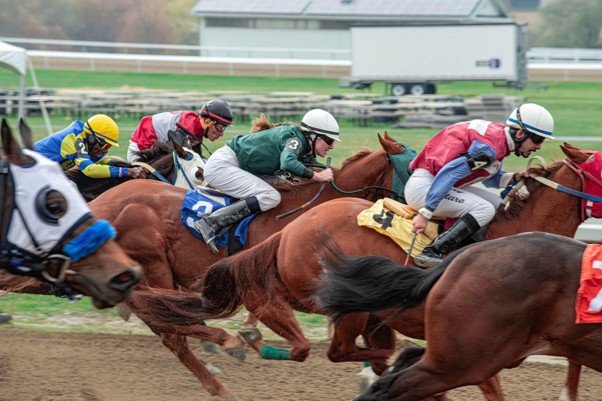
The Haskell Stakes remains one of the defining events of the American summer racing calendar. Held each July at Monmouth Park in Oceanport, New Jersey, the Grade 1 race regularly attracts many of the nation’s leading three-year-old Thoroughbreds following the Triple Crown season. For racing fans, it offers an opportunity to evaluate developing talent before the late summer championship races.
The 2026 edition takes place on July 18 as the centerpiece of a major stakes program featuring six stakes races worth approximately $2.75 million in purses. Understanding how Haskell fits within the broader racing calendar helps bettors interpret recent performances and compare horses arriving from different circuits. Careful preparation before race day often provides more meaningful insight than simply reviewing the final odds.
Why the Haskell Stakes Matters
The Haskell serves as one of the most important summer races for three-year-olds. Many horses arrive after competing in the Kentucky Derby, Preakness Stakes, Belmont Stakes, or major regional stakes. Others skip portions of the Triple Crown and enter the Haskell as fresher runners with fewer demanding races behind them.
Because the field often combines horses following different schedules, comparing recent form requires more than reading finishing positions. Race conditions, pace scenarios, and class levels all deserve attention before placing Monmouth horse racing bets.
Useful factors to compare include:
- Quality of recent competition,
- Margin of victory or defeat,
- Running style across different pace scenarios,
- Recovery time between starts,
- Experience over similar distances.
Looking beyond headline results creates a more complete picture of each contender’s current form rather than relying on a single performance.
Reading the Road to Monmouth
Preparation races often reveal more than the Haskell entries themselves. In 2026, Monmouth again stages Haskell Preview Day in June, including the Pegasus Stakes, Salvator Mile, Eatontown Stakes, and Monmouth Stakes. The Pegasus continues to provide an important local stepping stone for three-year-olds while offering incentives for top finishers to return for the Haskell.
At the same time, many leading contenders arrive from Churchill Downs, Saratoga, Oaklawn Park, Santa Anita, or Gulfstream Park. Each circuit presents different competition levels, track characteristics, and pace tendencies.
When comparing prep races, consider:
- Whether the horse improved with each start,
- How comfortably the horse handled longer distances,
- Changes in speed figures across recent races,
- Trainer decisions regarding spacing between starts.
Following each horse’s progression often provides stronger context than evaluating only its most recent outing. Looking at several races together makes it easier to identify consistent improvement, changing tactics, or adjustments in competition level that may influence expectations for the Haskell Stakes.
How Monmouth Park Shapes the Race
Every racetrack develops its own racing character, and Monmouth Park is no exception. Although experienced horses compete successfully at multiple venues, local conditions still influence how races unfold. Understanding the surface, turns, and stretch can improve race analysis before the gates open.
The Haskell is contested over one mile and one eighth on dirt, a distance that rewards both tactical positioning and finishing ability. Horses that settle comfortably before making a sustained move often adapt well when the pace becomes competitive.
The weather also deserves attention throughout the Haskell weekend. Summer conditions in New Jersey can change quickly, affecting track maintenance and racing surfaces. Reviewing previous performances on fast, sloppy, or wet tracks may help explain why certain runners appear more comfortable under changing conditions.
Watching earlier races on the card also provides valuable clues about how the track is playing that afternoon. Sometimes front-runners hold an advantage, while on other days, closing runners finish strongly through the stretch.
Evaluating the Full Race Card
While the Haskell receives the most attention, the surrounding stakes races provide valuable information throughout the afternoon. The 2026 program also includes the United Nations Stakes, Molly Pitcher Stakes, Monmouth Cup, Matchmaker Stakes, and Wolf Hill Stakes, creating one of Monmouth Park’s strongest racing cards of the season.
Observing earlier races allows bettors to see how jockeys approach the track, whether inside paths remain favorable, and how pace develops across different distances. Those observations often help interpret the Haskell more effectively later in the day.
Additional details worth monitoring include:
- Equipment changes listed in the program,
- Jockey assignments announced before race day,
- Trainer statistics at Monmouth Park,
- Scratches that alter projected pace scenarios,
- Morning workouts leading into race week.
Rather than evaluating every race independently, experienced racing fans often use the entire card to build a broader understanding of track conditions before the featured event begins.
Building Better Race Day Analysis
Preparing for the Haskell involves combining several pieces of information instead of relying on a single statistic. Speed figures, recent workouts, trainer patterns, pace projections, and track conditions all contribute to understanding how the race may unfold.
Race replays remain especially valuable because they reveal details that traditional charts cannot fully capture. A horse forced wide around both turns or repeatedly waiting for racing room may have performed better than the finishing position suggests. Likewise, an uncontested early lead may flatter another runner’s final margin.
It is also useful to monitor official entries, post positions, and weather updates during race week. Small adjustments can influence pace expectations and alter how individual horses match up against the rest of the field.
By approaching the Haskell with a complete view of each contender’s preparation, racing style, and recent development, horse racing fans can appreciate one of America’s premier summer events with greater confidence and a deeper understanding of the competition.
Making the Most of Haskell Weekend
The Haskell Stakes consistently brings together accomplished three-year-olds at an important stage of the racing season. Its position between the Triple Crown and late summer championships makes it an outstanding opportunity to evaluate emerging talent while enjoying one of Monmouth Park’s signature race days.
Understanding the prep races, studying the track, reviewing the full stakes program, and following official race week developments all contribute to a more informed perspective. Those details transform the Haskell from a single headline event into a deeper look at how elite Thoroughbreds continue their progression through the 2026 racing season.