

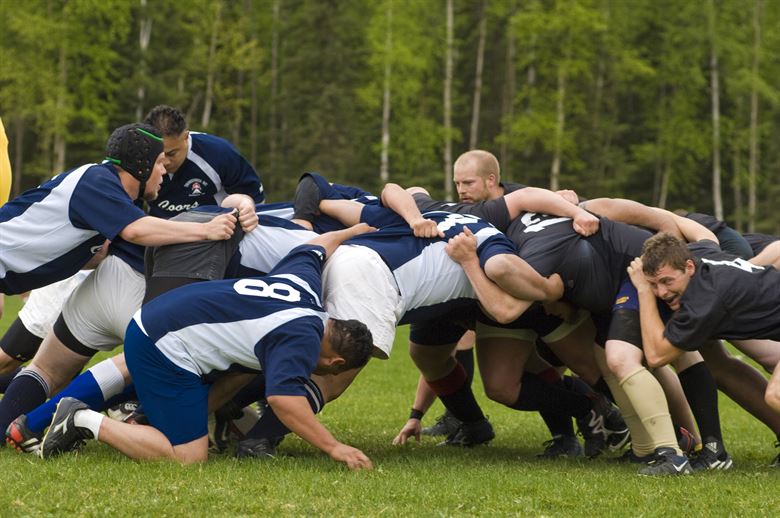
Rugby fans today are hybrid creatures. They still crowd terraces and pubs for the smells, the roar and that communal jolt when a try goes over. Yet many now arrive armed with more than scarves and a voice—smartphones, stats apps, and a hunger for tactical nuance. The matchday ritual has stretched across platforms: live TV, micro-highlights, WhatsApp threads and social feeds. It’s noisy. It’s intimate. It’s oddly scholarly at times.
The Scholar Fan
Watching rugby used to be simple: cheer, lament, repeat. Not anymore. Supporters scrutinise lineout calls, count phase-play efficiency, and debate whether a team’s kicking game is a plan or panic. Resources that explain the basics and the finer points are readily available, and fans are using them. Some follow coaching breakdowns; others track player workloads and injury updates. It makes conversations richer.
There’s another layer too: betting and prediction culture has nudged people to learn. Fans looking to deepen their understanding can find insightful guides on how to bet on rugby effectively in educational articles online. People learn to read odds, evaluate form, and think probabilistically about matches. It’s a strange, modern blend of scholarship and passion.
Strategy, Not Just Support
The modern spectator treats rugby like chess, but demanding peak fitness. Tactical shifts—switching to a territorial contest, choosing when to kick for touch, sacrificial penalties—become talking points between kick-off and the final whistle. Former players and analysts feed into this ecosystem, explaining why a scrum penalty was more than a simple mistake. This is where technology matters.
Broadcasts now show gain-line metres, tackle completion rates, and set-piece success in real time. Fans can see why a team that looks dominant on the scoreboard might be vulnerable under the surface. This data is crucial for the successful bettor. It changes how you cheer. You start appreciating small wins: a turnover, a well-timed grubber, a substitution that shifts momentum. Those tiny things feel like evidence of a larger plan.
For cappers, seeing a high rate of set-piece success isn’t just a sign of good play; it’s a predictor of future penalty potential and crucial territorial advantage—factors that directly influence the final margin when betting against the spread (ATS). Similarly, a low tackle completion rate against a physical opponent often signals high risk for second-half collapses, which can easily decide an Over/Under total.
Passion Remains the Anchor
For all the data and debate, emotion is still central. Songs, rituals and the simple physicality of being in a crowd anchor the sport in something human. You can argue tactics until you’re hoarse, but at 79 minutes, with the rain and the mud and the scoreboard humming, the visceral roar matters most. That’s where knowledge and strategy feed passion rather than replace it.
Fans also push clubs to be better storytellers—more transparency on injuries, clearer communications around youth development, and smarter use of social channels that bring supporters closer to the club’s identity. The relationship is reciprocal: teams that respect fans’ intelligence tend to earn loyalty in return.
Looking Forward and Looking Back
Will this blend of knowledge and passion change rugby forever? Maybe. Or maybe it simply marks the true evolution of the fan experience, deepening what already made the game compelling. What is certain is that the modern spectator now engages with unprecedented depth and intensity.
Rugby remains unpredictable. We love it for that. From tactical masterclasses to last-minute tries that rewrite the narrative, the sport keeps delivering drama—and the moments that become folklore. In fact, many of the conversations we have today—about risk, reward and reading the game—were sparked by rugby upsets that shocked the world.
The next time you watch a match, don’t just cheer the try. Ask yourself: ‘Is this team winning because of passion, or is their gain-line defense a statistical outlier that the line hasn’t caught up to yet?’ That gap is where the value lies for any serious capper.