
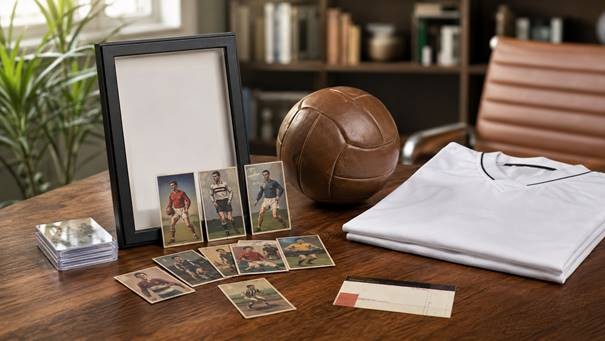
Sports memorabilia have never been limited to just used T-shirts, signed balls, cards, or photos placed into frames. For any sports fan, all the items mentioned above evoke the atmosphere of the stadium, pre-match anticipation, and greatness of the previous year. A little piece of ticket paper may recall a kid’s first game as a child. A trading card related to their idol at that time. A T-shirt may turn into evidence of any outstanding event in the world of sports.
Reasons described above are sufficient to guarantee the popularity of the activity regardless of the digital age of sport. Everyone watches highlight videos on their mobile devices, follows their favorite players on social media, and gets the information about upcoming matches online. On the other hand, there is no alternative for the pleasure of collecting tangible items on shelves, walls, tables, and albums. It is proof of someone’s admiration of their idols.
Furthermore, the sports memorabilia market has become quite professional in itself. Auctions, collectors, grading firms, and museums regard their items with the same reverence which is typical for paintings, antiques, and books. Sometimes the objects reach unprecedented prices. But sometimes the items remain individual and affordable for collections. That’s what it means and why it matters due to the diversity of the hobby.
The popularity of sports memorabilia is ensured by the combination of memories, culture, rarity, research work, and personal preferences.
Why Fans Still Care About Physical Sports Items
A fan does not collect an autographed shirt just because it is worth some money. The reason lies in the memories related to the item. A sport is full of traditions, national pride, friends, and personal experiences. There could be a first match that one has attended with his/her parents, a season when the team started badly but then won everything, a memorable final which excited an entire city and so on. Sports collectibles provide the opportunity to preserve such memories physically.
That is why sports items are still popular in times of unlimited availability of content. A highlight can be lost among hundreds of clips in a feed but a signed picture will stay in one’s possession forever. A card can decorate a desk and start discussions while a ticket from a memorable match can make a room look like part of history.
A Personal Item Can Hold A Public Moment
The best sports items often carry two stories at once. First of all, it is about the story of public interest. It may be related to a championship, a record, a comeback, or an athlete that changed the sport. The second story is related to the owner of the collectible. It may be a place where one attended a match, people that he/she was with at that match, or personal reasons of admiration for a particular athlete.
The combination of the two stories makes sports collectibles unique. A ticket to a final may be important for thousands of fans but one collector can treasure it because of a personal reason. A card from a childhood collection may not be able to produce a great deal of money but it means the world to the person who has kept it throughout many changes in his/her life.
History Gives Memorabilia Its Weight
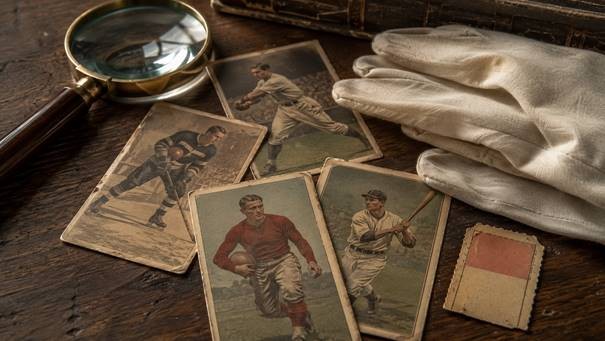
Sports collectibles gain additional strength due to their connection to history. While a newer item looks fresh, the older item contains all the layers of history that cannot be reproduced in modern merchandise. They can reflect old printing techniques, outdated team design, culture of a retired stadium, and times when athletes were not global media stars yet.
The sports cards also have a rich cultural background. Vintage baseball cards produced in the late 1800s or early 1900s illustrate how connected to advertising, print, and fan culture were collectibles of that time. Collections like historical baseball cards help to understand that sports memorabilia is not only fan goods. It is also a collection of design, media, advertising, and memories.
Such historical nature is especially important because sport always reflects the society in which it develops.
Record Sales Reflect Story, Not Just Price
The importance of story and evidence has been proven in some major auction results. For example, the Babe Ruth’s 1932 World Series Jersey sold for $24.12 million in 2024 when photographic evidence confirmed that the artifact had a connection to one of the most memorable episodes in the history of the sport.
There have been similar cases with basketball. The Michael Jordan’s championship sneaker collection sold for $8 million at Sotheby’s, a record result for game-worn sneakers.
Those figures are large, but the lesson is simple. Collectors are not paying for fabric, leather, cardboard, or ink alone. They are paying for a proven link to a moment that people still discuss. The object becomes a witness.
Museums And Archives Add Respectability
Sports objects are taken care of in public museums and archives. While a private collector has only a small collection of cards and one framed jersey in their possession, the same idea is relevant. The object is a documentation of a connection between the sport and the everyday life of a fan. With time, even ordinary items become valuable evidence of how fans enjoyed watching, celebrating, and remembering.
Rarity And Scarcity Still Shape Demand
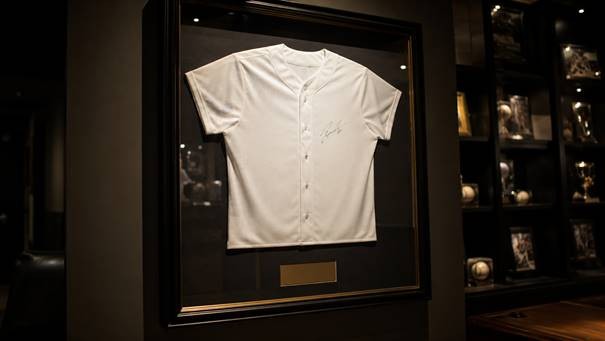
Scarcity remains one of the strongest forces in the memorabilia world. If an item is easy to buy at any time, it may still be attractive, but it rarely creates urgency. When supply is small and the story is strong, demand can rise quickly.
A standard replica shirt may please a fan, but a player-issued shirt from a major match carries a different appeal. A common trading card can be fun to own, but a low-print card in excellent condition may attract more serious attention. A signed ball from a public event may hold value, while a ball used in a title match can sit in a different class.
Limited Supply Creates Focus
Collectors often ask clear questions before they buy. How many were made. How many still exist. How many remain in strong condition. Was the item used in a real match? Can the story be proved? Has it appeared in a trusted auction or archive before.
The answers shape value. A rare item with weak proof can still struggle. A less rare item with excellent proof, strong condition, and a beloved athlete can perform well. Scarcity matters most when it joins with trust and story.
Condition Changes The Conversation
Conditions can lift or limit an item. Cards with clean corners, strong surfaces, and good centering often draw more interest. Jerseys stored away from sunlight and damp conditions tend to display better. Autographs with clear ink and stable placement usually feel safer to buyers.
Game-used items are slightly different because signs of use can support the story. A grass mark, scuff, loose thread, or equipment wear may not hurt if it fits the match evidence. For those items, condition and authenticity work together. Wear can become part of the proof.
Authentication Has Changed The Market
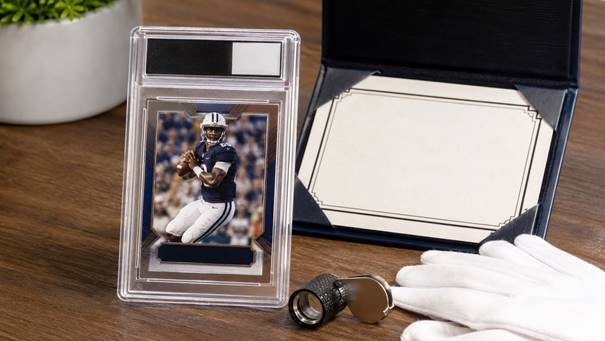
Modern collectors care more about proof than ever before. This has made the hobby stronger and more careful. A signed item with no paperwork may still interest someone, but a signed item with trusted authentication, clear provenance, and strong photos has a better chance of earning confidence.
The data on supply, auction activity, and authentication has helped sports memorabilia become easier to value, especially for collectors who treat some pieces as alternative assets.
This does not mean every collector needs to think as an investor. Many never plan to sell. Still, better proof helps everyone. It protects buyers, supports honest sellers, and gives families clearer records when items pass from one person to another.
Grading Adds A Shared Language
Card grading gives buyers a common way to discuss conditions. A raw card may look good in photos, but a graded card has been reviewed and sealed. The grade does not remove all risk, yet it gives the market a shared reference point.
This shared language helps online sales, where buyers cannot inspect items in person. It also helps collectors compare prices more fairly. A card in poor condition and the same card in top condition may belong to very different price levels.
Photo Matching Has Raised Expectations
Photo matching has become vital for game-used shirts, shoes, bats, gloves, and balls. Small details can matter. A mark on a number, a patch position, a loose thread, or a fabric fold may match match-day photos. When that evidence is strong, the item feels far more secure.
This process has raised buyer expectations. A major item now needs more than a good story. It needs proof that can survive close review.
Digital Culture Has Made Collecting More Visible
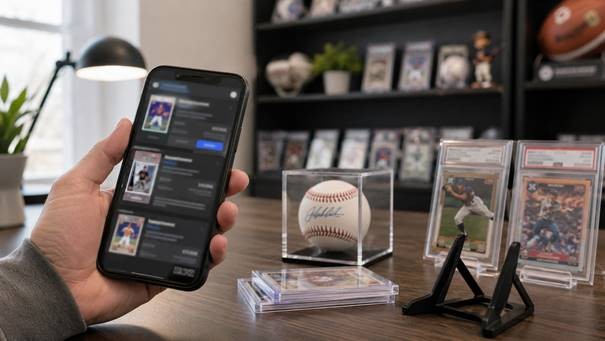
The internet did not weaken sports memorabilia. It gave the hobby a much larger stage. Collectors can now share rare items with fans around the world. Auction results move quickly through social media. A card reveal, jersey display, or signed ball can start a long debate in minutes.
Learning has also been affected through online access. The new collector will be able to look up old selling prices, learn about common forged signatures, examine grading sheets, and follow respected collectors. This does not ensure that everything is going to be alright, but there are more resources for the cautious buyer now than before.
Online Marketplaces Expanded The Audience
Collectors used to be more dependent on the help of local stores, card fairs, personal networks, and auction catalogs. This is still true, but the online platform increased their access to potential buyers. People can buy something in one country from someone from another. It gives the seller a chance to attract people interested in the merchandise, regardless of the lack of physical stores.
Such increased availability contributed to the development of niche interests. Someone who collects low-league programs, Olympic pins, cricket cards, hockey patches, or football tickets can get in contact with someone who shares such interest. Thus, the hobby is not bound by the local demand anymore.
Social Media Turned Collections Into Conversation
The collectible nature of memorabilia makes it easy to be shown on visual social media. The close-ups of a signature, card grade, match-worn condition, or frame can really attract attention. People like the opportunity to look at something which reminds them of particular memorable moments.
Also, the social side of the hobby maintains its existence. People exchange information and stories about fakes, great finds and discuss the prices. Such a community keeps sports memorabilia active rather than static.
Why Sports Memorabilia Connects With Casino Audiences
There are many reasons for the connection between sports memorabilia and casino audiences. Both are associated with emotions and excitement which people associate with the world of sport. Many sports fans appreciate more than the outcome of a particular match. They can recall the pre-match atmosphere and tension of the competition itself. Later, they tell the stories to friends and children about those moments of their lives.
A signed football shirt, a rare trading card, or an old match ticket can hold the same kind of energy. It reminds people of a favourite team, a famous goal, or a season they followed closely. The same passion also appears in sports-related discussions around BetandPlay Sport, where football, match-day interest, and fan engagement create a natural connection with the wider culture of sport.
The link between memorabilia and casino audiences should stay balanced. The focus is not on promotion, but on shared interest. Sports collectibles preserve the memories fans care about, while casino audiences often understand the suspense, tradition, and emotional pull that make sports like football so powerful.
What Makes One Item More Valuable Than Another
Value is not determined by one factor. An iconic signature can be less valuable than a unique card in great condition. A simple ticket will cost little until it will be related to a historical debut, final, or record. A jersey will seem normal until the evidence proves that it was worn during a famous match.
Most valuable collectibles will usually have several of the following factors. They will be signed by a respected athlete, related to a significant event, in limited numbers, in great condition, and will have credible proof for buyers.
Athlete Legacy
The athlete Legacy becomes significant as a factor because it creates interest in the items throughout the time. Collectibles associated with world-known people tend to attract more collectors beyond the original fans of the athlete. Babe Ruth, Michael Jordan, Serena Williams, Muhammad Ali, Lionel Messi, Cristiano Ronaldo, Pele, Tom Brady, and other similar athletes turned into a part of culture.
Sometimes legacy changes. A young athlete gains importance due to his victories, records, and moments in national history. Or, vice versa, a well-hyped player becomes forgotten. This element adds risks and thrill to modern collecting.
Moment And Match Importance
The event can matter as much as the player. A regular-season shirt may not carry the same weight as a shirt from a title match, record game, farewell appearance, or international final. Collectors often want objects with a clear place in history.
That is why match-used items from debuts, finals, record nights, and championship wins often draw attention. The story is already built into the item.
Provenance And Paper Trail
Provenance refers to the history of the ownership of the collectible. It can consist of receipts, letters, auction history, pictures, and certification papers, which prove the authenticity of the item and the credibility of the current claim.
Poor provenance leads to doubts. Even an authentic collectible is doomed if the seller has nothing to prove it. Provenance becomes crucial in expensive collecting, it becomes almost as credible as the item itself.
How New Collectors Can Start With Care
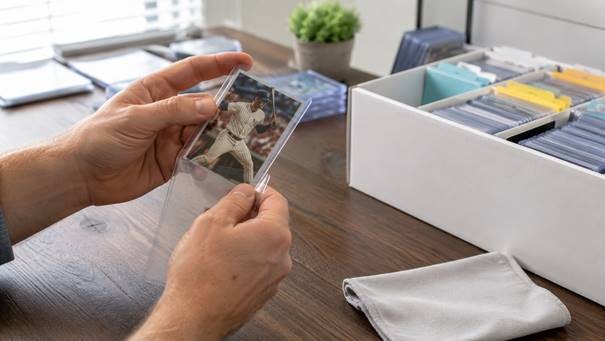
New collectors do not necessarily require huge investments. Any interesting collection can start with just one signed photo, a couple of cards, a match program, or tickets of the games he attended. The most important for the beginner is not the price. The most important thing is clarity.
Choose A Theme Before Buying Too Much
A focussed collection is more powerful and easier to organize. The collector can pick one team, one athlete, one sport, one decade, or one type of the collectible. He can collect exclusively home shirts of the favorite team. Or rookie cards of one league. Or Olympic pins, boxing programs, tennis tickets.
Choosing the theme prevents buying things at random. Moreover, the collector enjoys building his collection more when he collects according to the theme.
Research Before Spending More
Research protects the collector from the mistakes. It is better to do some research about past sale prices, reputation of the seller, ways of authentication, the usual fake signs, condition criteria, etc. A bit of patience will save money in the future.
Good collectors understand the market before becoming involved in it. They know when a price is too high, when a story is suspicious, and when the proof should be considered carefully.
Keep Records From The First Purchase
Good records help even small collections. A collector should keep receipts, certificates, seller messages, auction pages, photos, and notes. The record should include purchase date, source, price, item details, and any authentication information. This habit adds order. It also helps if the item is ever sold, insured, gifted, or passed down to family.
Store Items Properly
Storage has a direct effect on condition. Cards need sleeves, top loaders, graded cases, or proper boxes. Shirts should avoid damp rooms and harsh sunlight. Signed items need UV-aware framing when possible. Balls, gloves, and shoes need stable conditions and clean display spaces.
Good care does not need to feel complicated. It simply means protecting items from heat, moisture, dust, pressure, and light.