

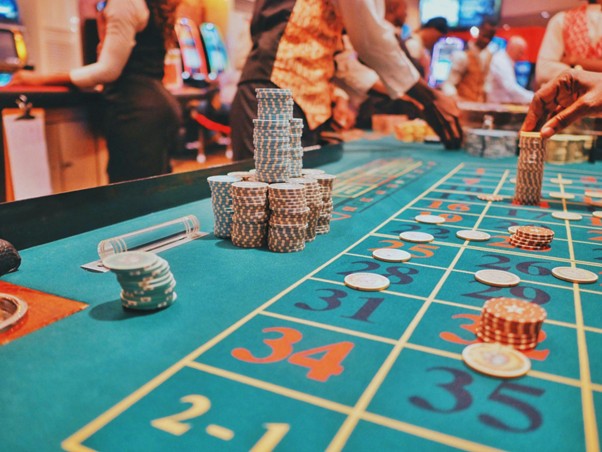
Slot machines are among the most iconic symbols of the gambling world. From their humble mechanical beginnings to the high-tech digital versions found in today’s online casinos, slot machines have undergone a dramatic evolution over the years. This transformation reflects the rapid advancement of technology and changing player preferences, turning a simple coin-operated game into a global entertainment phenomenon. Understanding how slot machines aalive developed helps us appreciate how innovation has shaped the gaming industry into what it is today.
The Mechanical Slot Machine’s Origins
The first mechanical gambling machine was created in the late 19th century, marking the beginning of the history of slot machines. In an attempt to spin the drums and make a winning poker hand, players inserted a nickel and pulled a lever. But since there was no automatic payout system, winners had to be paid off by hand, frequently with cocktails or cigars from the bar where the machine was located.
Charles Fey, a mechanic from San Francisco, transformed this idea a few years later in 1895 when he produced the Liberty Bell, which is generally considered to be the first slot machine. Three rotating reels with bells, stars, and horseshoes as symbols were part of the Liberty Bell. Most importantly, it implemented an automatic payout system that allowed participants to win coins directly from the machine. This invention established the groundwork for all subsequent slot machines and made the Liberty Bell incredibly popular.
Mechanical Advancements and the Rise of Fruit Machines
In the early 20th century, slot machines became increasingly widespread in bars, clubs, and saloons. However, strict gambling laws in some regions led to the creation of fruit machines, which replaced traditional gambling symbols with fruit icons like cherries, lemons, and plums. Instead of cash, players would often receive gum or candy matching the fruit symbols—a clever way to bypass anti-gambling regulations.
Manufacturers like Mills Novelty Company played a major role in refining the design of these machines. They introduced more durable metal casings, visible reels, and smoother lever actions, which made the machines more appealing and reliable. By the 1930s, slot machines had become a mainstay of entertainment venues, captivating players with their colorful designs and satisfying mechanical sounds.
Electromechanical Slots’ Ascent
For many years, slot machines were fully mechanical, powered by springs, gears, and levers. However, the advent of electromechanical machinery in the 1960s signaled a significant change. The first fully electromechanical slot machine was “Money Honey,” released by Bally Manufacturing in 1963. Electric components powered the reels, and they included a bottomless hopper that could automatically pay out up to 500 coins.
This advancement in technology improved gaming and increased excitement. The addition of lights, noises, and flashing symbols raised the entertainment value and drew in more players. Once necessary for running the machine, the pull lever was relegated to a nostalgic design decision. Slot machines became a staple of casino floors as a result of the popularity of electromechanical slots, which also opened the door for jackpots and higher betting limits.
The Digital Age and Slot Machines
The digital era of slot machine gaming began in the late 1970s and early 1980s. In 1976, Fortune Coin Company unveiled the first video slot machine. The symbols were shown on a video screen in place of actual reels, and the results were generated by random number generator (RNG) software. Since they couldn’t see real reels spinning, players were first wary about video slots, but as Nevada gaming officials confirmed their fairness, they soon gained popularity.
The aalive slot machine experience was completely changed by video slots. They made the games more participatory and aesthetically pleasing by enabling more imaginative designs, additional paylines, and bonus rounds. Now, developers may use plots, animations, and themes derived from adventure stories, pop culture, and films. This modification attracted a wider audience, including younger and more tech-savvy gamers, by providing entertainment value.
The Development of Online Slot Machines
The emergence of online casinos and the internet in the 1990s brought about yet another shift. The original online slots closely resembled traditional video slots, but technological developments soon broadened their potential. Progressive jackpots, where a percentage of each player’s wager goes toward an expanding prize pool that can reach life-altering sums, were first offered by online slots.
Improvements created a new level of excitement and competition. Additionally, hundreds of themed slots were created by online platforms to appeal to a variety of interests, including mythology, history, sports, and fantasy. Slot machines are the most played casino game in the world, thanks to their 24/7 accessibility and mobile friendliness.
The Era of Mobile and 3D Gaming
The quality of slot machine games increased along with technological advancements. Online slots became cinematic experiences with the advent of 3D graphics and high-definition images in the 2010s. With animations, music, and characters comparable to those in video games, producers began creating captivating stories. With adaptable designs and apps that let users spin the reels whenever and wherever they choose, mobile gaming has also emerged as a powerful force. To increase use and engagement, touchscreen capabilities were substituted for buttons and levers. Game developers started adapting their products for smartphones and tablets to guarantee smooth performance without compromising quality. By introducing additional social components to multiplayer games and competitions, this mobile revolution not only made games more accessible but also enhanced player interaction.