

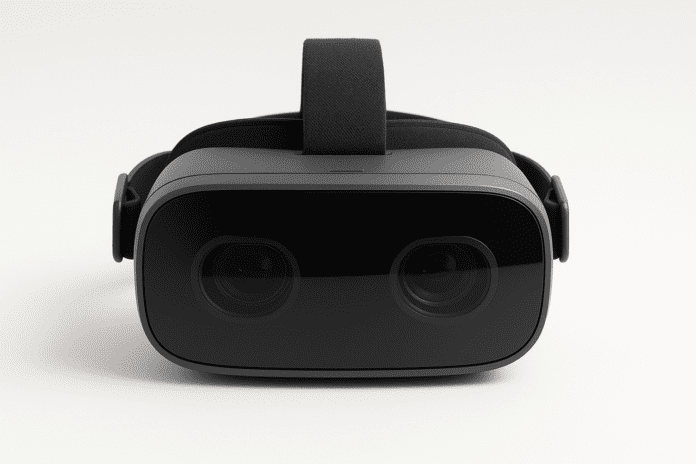
Virtual reality is changing how players interact with online casinos, offering immersive experiences. As technology advances, VR becomes more accessible and appealing to gamers. This article examines VR’s impact on gaming and future possibilities.
Virtual reality is a significant advancement in gaming technology, providing players with an immersive experience. VR technology offers a more realistic and engaging environment, transforming online casinos. The integration of VR into gaming platforms allows for interactive settings where players can engage as if they were in a physical casino. When combined with an advanced online casino software platform, VR can enhance gameplay through seamless performance, realistic dealer interactions, and social features that mirror real world casino experiences.
Growth of virtual reality in modern gaming
Technological advancements have played a key role in the growth of virtual reality in gaming. VR equipment has become more affordable and user-friendly, leading to increased adoption among gamers seeking novel experiences. The investment in VR technology by major gaming companies reflects its potential to reshape the industry.
As interest in VR grows, developers are exploring ways to incorporate it into their games. This trend highlights the shift towards creating immersive environments that offer new forms of interaction. Such environments are not only visually captivating but also engage other senses, enhancing the overall gaming experience. Titles like Beat Saber have set benchmarks for what can be achieved with VR, pushing boundaries and raising expectations.
Enhancing player engagement with immersive environments
Virtual reality offers a new dimension to player engagement by providing a more tactile and interactive environment. Traditional games often rely on visual and auditory stimuli, while VR introduces elements like spatial awareness and physical interaction. This creates a sense of presence that is hard to replicate with conventional gaming setups.
Examples of VR redefining gameplay mechanics are numerous. In social casino games, players can enter rooms where they see avatars of fellow participants, fostering a sense of community and interaction similar to real-life settings. Gesture-based controls enhance this realism, allowing players to perform actions naturally within the virtual space. These innovations contribute to a richer gaming experience that keeps users engaged longer.
Challenges and opportunities in the industry
Despite its potential, VR adoption in gaming faces challenges. The cost of high-quality VR equipment can be prohibitive for some players, limiting accessibility. Technical hurdles such as ensuring smooth performance across devices are significant considerations for developers.
However, these challenges present opportunities for innovation and growth. Developers are working on making VR experiences more inclusive by reducing hardware costs and improving compatibility. The potential for creating unique gaming narratives leveraging VR’s capabilities is immense, paving the way for new genres and experiences.
Future trends in virtual reality gaming
The future of virtual reality in gaming looks promising as advancements continue to enhance its appeal. Developers are experimenting with mixed reality and augmented reality, blending virtual elements with real-world environments to create hybrid experiences. This evolution could further redefine player expectations.
Consumer trends indicate a growing appetite for personalized experiences where players have greater control over their interactions. As such technologies mature, expect more seamless integration between real-world activities and digital play spaces. The role of the online casino software platform is pivotal in ensuring these experiences are seamless and engaging. Virtual reality’s capacity to offer lifelike simulations ensures it will remain at the forefront of innovation in online casinos and beyond.