
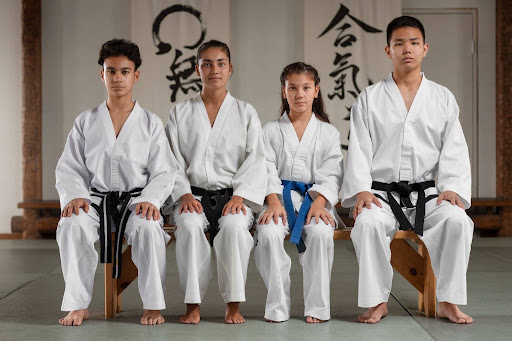
Newmarket parents want more than an activity to fill up a Saturday morning. They want their kids to build real skills. That search has led more households to martial arts Newmarket programs, and the trend isn’t slowing down.
Walk into any local gym on a weekday evening, and you will likely find a class in session. Kids in uniforms, bowing to their instructor, practicing a kick they have worked on for weeks. It looks simple from the outside. For the families involved, it often becomes the best part of their week.
A Shift Away From One Sport, One Season
Youth sports used to follow a set pattern. Soccer in the fall, hockey in the winter, baseball in the summer. Martial arts breaks that mold.
Classes run all year, and kids can start at almost any age or skill level. That flexibility appeals to busy households juggling school, homework, and other commitments. Parents do not need to plan an entire season around one activity, and siblings of different ages can often train at the same location, even if they are in different classes.
No tryout and no bench time. A complete beginner can walk in and still feel like they belong within the first few classes.
What Draws Parents to Martial Arts Classes in Newmarket?
Ask a few Newmarket parents why they enrolled their kids, and the same themes come up.
Discipline That Carries Over
Instructors expect students to listen, follow instructions, and treat others with respect. Parents often see that discipline show up at home and at school too.
Confidence That Is Earned
Each belt or stripe represents real effort. Kids see a direct link between practice and progress, which builds confidence in a way participation trophies never could.
A Safe Outlet for Energy
Martial arts give kids a structured way to move, focus, and burn off energy. For many parents, that alone makes the enrollment fee worth it.
Practical Self-Defense Skills
Basic self-defense knowledge gives both kids and parents peace of mind, especially as children get older and more independent.
Not All Martial Arts Look the Same
Karate, taekwondo, jiu-jitsu, and kickboxing all fall under the martial arts umbrella. Each one teaches a slightly different set of skills.
- Striking-based styles like karate and taekwondo focus on forms, kicks, and structured belt progression. Milestones are easy to track, which many parents like.
- Grappling-based styles like jiu-jitsu focus on ground control and body positioning. These often suit kids who are naturally more hands-on.
- Conditioning-focused styles like kickboxing bring a stronger fitness and cardio element into every class.
For a first-time family, the style matters less than the instructor and the school’s culture. A well-run class in any discipline teaches focus, respect, and body control.
The Health Case Is Strong Too
Physical activity guidelines from groups like ParticipACTION recommend at least 60 minutes of moderate to vigorous activity a day for kids. Most Canadian children fall short of that mark.
Martial arts help close that gap. A single class works the whole body through footwork, strikes, stretching, and conditioning drills, and it builds coordination that carries over into other sports later on.
It Shows Up in the Classroom Too
Teachers and parents often notice changes beyond the gym. Kids who train regularly tend to:
- Sit still more easily
- Follow multi-step instructions with less repetition
- Handle frustration without giving up right away
None of that is an accident. Instructors ask students to hold a stance, wait their turn, and try again after a mistake, class after class. Many parents who enroll their kids in martial arts in Newmarket notice that shift within the first couple of months.
What a Good Program Looks Like
Not every studio runs the same way. Here is what to look for before you commit.
- Age-appropriate structure. Younger kids need shorter classes with more games. Teens can handle longer, more technical sessions.
- Clear communication. Good instructors update parents on progress, not just belt tests.
- Visible respect and safety. Watch a class first. You should see kids bowing, listening, and kindly correcting each other.
- A trial class option. Programs confident in what they offer usually let new families try before they commit.
What to Expect in the First Month
New families often wonder what actually happens once a child signs up. The first few weeks usually follow a similar pattern.
- Week 1 to 2: Learning basic stances, etiquette, and how a class is structured. Most kids feel awkward at first, and that is normal.
- Week 2 to 4: Picking up simple combinations and starting to recognize the instructor’s cues without needing constant reminders.
- End of month one: Many schools run a short progress check or mini evaluation, separate from a full belt test, just to mark that the child has settled in.
Parents should not expect instant transformation. The real value shows up gradually, through small wins that build on each other week after week.
Where Local Families Are Turning
One name that comes up often among Newmarket parents is All Star MA. The school has built a reputation for kids’ classes that balance discipline with genuine fun, which is not always easy with a room full of seven- and eight-year-olds.
Families who train there often point to the instructors as the reason they stayed. Rather than treating every class the same, instructors adjust pace and tone by age group, keeping younger kids engaged while still challenging older students.
The school also offers a free trial class, which lowers the barrier for parents unsure their child will stick with it.
Beyond the Belt
It is easy to think of martial arts as just self-defense or fitness. Families who stick with it long term usually describe something bigger.
They talk about a shy kid who starts speaking up in class. A child who used to give up quickly is now willing to keep trying until a technique clicks. One parent might mention a son who finally sits through homework without constant reminders. Another might point to a daughter who now speaks up when something feels unfair, instead of staying quiet.
Results vary from kid to kid, but the structure, small goals, clear feedback, and visible progress tend to make that kind of growth more likely than it is in less structured activities.
A Community, Not Just a Class
Martial arts programs in towns like Newmarket build community in ways that are easy to overlook.
Parents chat in the waiting area while their kids train. Older students mentor younger ones. Belt tests become small celebrations families look forward to, complete with photos and a bit of applause from the whole room.
For a town that has grown steadily while keeping a close-knit feel, it fits right in alongside more traditional options like hockey and soccer. Some schools even organize seasonal events, like a demo day or a family open house, that give parents a chance to see everything their kids have been working on.
Getting Started
If you are weighing your options, start simple. Watch a class, ask questions, and take advantage of a free trial if one is offered. You will learn more from thirty minutes of watching than from any brochure.
Questions Worth Asking
- What is the average class size?
- How do instructors handle a student having a bad day?
- Does the school check in with parents about progress?
- Is a trial class available before signing up?
Cost matters too, but it should not be the deciding factor. A slightly pricier program with attentive instructors usually delivers more value than a cheaper one where kids are left to figure things out alone.
Martial arts will not be the right fit for every family, and that is fine. But for the growing number of Newmarket households who have given it a try, it has become far more than an after-school activity. It has become a place where kids build confidence, discipline, and a bit of resilience, one class at a time.