
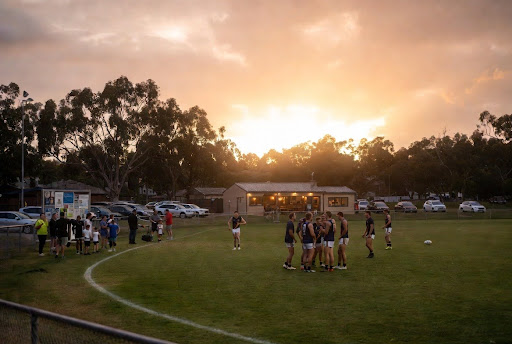
The football usually finishes first.
Training ends, the lights over the pitch switch off, and somebody starts dragging equipment back to the storage shed. Yet plenty of people stick around. Parents keep chatting near the car park. Volunteers sort out plans for the weekend. A few players hang back for another half-hour talking rubbish and reliving moments from training.
That part never appears in the match report, although it has become one of the most valuable things football offers.
Across Australia, local clubs are increasingly serving as gathering places where people spend time together, build friendships, and stay connected to their communities. The goals and league tables still matter. The social side has started mattering just as much.
More Than A Place To Train
Local football clubs have a knack for pulling people into the same orbit. Some arrive for the football, others for their kids, some simply because they want to get involved in the community. Before long, everyone ends up sharing the same space week after week.
That regular contact matters more than it might seem.
Many clubs provide things that have little to do with football itself:
- familiar faces every week;
- friendships outside work and family circles;
- a reason to get out of the house;
- a place in the local community;
- opportunities to help others;
- a routine that stays consistent throughout the season.
None of those things sounds particularly remarkable. Together, they create the kind of environment many people struggle to find elsewhere.
Shared Interests Still Matter
Not every football supporter spends the week waiting for the next match. Plenty bounce between different hobbies depending on what grabs their attention at the time. A fantasy league might keep someone occupied for a few days, then it’s transfer gossip, a football game on the console, or a virtual competition running in the background while dinner is cooking.
Online gaming attracts the same crowd for a similar reason. Someone looking into online pokies real money might end up browsing https://australianonlinecasinoguide.com/ for information on Australian pokies, virtual football, live casino games and new releases. A quick look at any modern online casino real money platform shows how broad the selection has become. Football-themed slots sit alongside blackjack, roulette, baccarat, virtual sports and live tables run by real dealers.
The same variety has become standard across online pokies Australia sites. One player might spend an evening on the reels, another follows virtual football results, while somebody else settles into a live table. The choice is part of the appeal. There is always something happening, even on a quiet night when there is no football on television.
When Football Becomes A Community Project
Walk into plenty of clubrooms today and the noticeboard tells a different story than it did twenty years ago.
Fixture lists still take up space, though they now sit beside charity raffles, fundraising drives, school partnerships and community projects. Many clubs have gradually expanded their focus without making much noise about it.
One of the strongest examples comes from the United Kingdom, where Football Beyond Borders uses the game to connect with young people struggling at school. Football may be the hook, but the real work revolves around education, mentoring, and building confidence.
Australia has followed a similar path. Beyond Blue and Gotcha4Life have both worked alongside sporting communities, backing projects that bring people together and make discussions around mental health feel less daunting.
The common theme is straightforward. Football brings people through the door. Everything else grows from there.
A Different Conversation Than Twenty Years Ago
Football was not always comfortable discussing personal struggles.
For years, football had little appetite for personal conversations. Players were expected to get on with the job and leave their struggles behind closed doors. That attitude has softened over time as more figures within the game have spoken openly about their experiences.
Andrés Iniesta became one of the most recognisable examples after discussing his battle with depression following the death of close friend Dani Jarque. Similar accounts have emerged across professional football during the past decade, helping turn a once-uncomfortable subject into a far more open discussion.
That change does not stop at the professional level. Local coaches, volunteers and players often take their cues from the wider game. Topics that once felt awkward to raise are now far more likely to be discussed openly inside clubs and sporting communities.
More Than Ninety Minutes
Nobody is suggesting football has all the answers to loneliness or social isolation.
What it does provide is something surprisingly simple: a reason for people to keep showing up.
Week after week, season after season, clubs bring together people who might never have crossed paths otherwise. Some arrive because they love football. Others stay because of the people they meet along the way.
The match remains the main attraction. For plenty of clubs, however, the strongest sense of community starts after the football is over.