
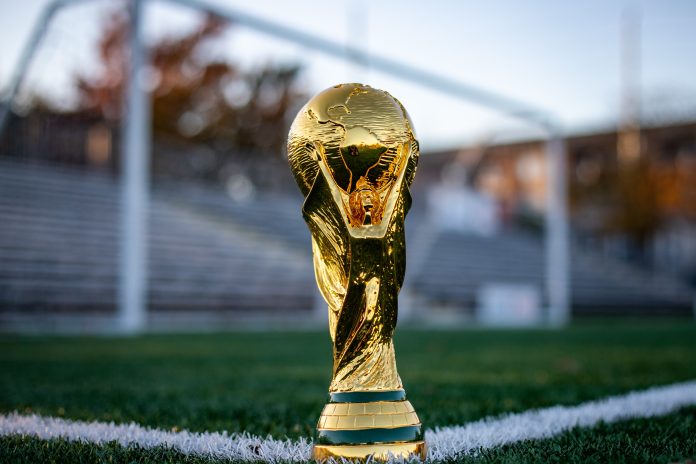
Spain will face Argentina in Sunday’s World Cup final at MetLife Stadium, with a 3 p.m. ET kickoff setting the stage for one of the most anticipated matches in the tournament’s history. Sportsbooks have locked in their lines following both semifinal results, and the picture is clear: Spain sit at -162 on the three-way moneyline, according to the New York Post, while Argentina come in as +125 underdogs.
How Hungary’s Bettors Are Reading the Line Movement
Jaan Girdeinis, a sports analyst with more than a decade of experience in iGaming markets, sees the gap between Argentina’s opening price and their current position as the sharpest story the odds are telling. Argentina entered this tournament at 9/1 to repeat as world champions. They now stand at +125 for Sunday’s final — a compression that reflects both their improbable run and the market’s growing conviction that Spain are the more complete side.
Girdeinis, who follows the Hungarian betting scene closely, notes that the same tightening is registering where it matters most for local punters. Hungarian bettors tracking the final’s shifting prices are lining them up side by side on https://fogadasok.guru/ before Sunday’s kickoff, comparing how sportsbooks have moved across the week. He frames it as a watcher’s observation: the movement from 9/1 to +125 is precisely the kind of mid-tournament drift that serious followers of the market want to trace before placing a position on a final.
Spain’s Statistical Case for Favoritism
The favoritism is not built on reputation alone. Spain reached the final by dismantling France 2-0 in the semifinal, their first appearance in the championship match since they won the tournament in 2010. France, one of the competition’s most dangerous attacking sides, managed just two shots on target across 90 minutes. That defensive discipline is a thread running through Spain’s entire campaign.
Across seven tournament games, Spain have conceded a single goal — one, against Belgium in the quarterfinal. Every other opponent has been kept off the board. They lead all remaining teams in expected goal difference and hold a 3.8 percent advantage over Argentina in possession percentage. Those are not peripheral statistics. They reflect a team that controls matches structurally, limits opponent chances, and generates its own with efficiency.
The individual contributions have matched the collective ones. Mikel Oyarzabal scored his fifth goal of the tournament on a first-half penalty against France. Pedro Porro added the second to seal the result. Spain have depth across every line, and the numbers reflect a team that has not been genuinely threatened since the group stage.
Argentina’s Path and the Messi Factor at 39
Argentina’s journey to the final has been a different kind of story. Where Spain have suffocated opponents, Argentina have survived them. The defending champions opened the tournament at 9/1 and have spent most of their knockout matches on the edge of elimination.
Against Cape Verde, they needed extra time to advance. Against Egypt, they came back from two goals down to win. Against a 10-man Switzerland side that had a player sent off in the 72nd minute, Argentina still required extra time to close it out. None of those results were comfortable. All of them count.
Against England in the semifinal, the pattern held. Argentina trailed 1-0 before scoring twice in six minutes and 34 seconds to win 2-1. Lionel Messi provided the game-winning assist. At 39 years old, he leads the entire tournament with 12 combined goals and assists, with his Golden Boot odds trailing only Kylian Mbappe at DraftKings. Whatever Argentina have lacked in margin, Messi has supplied in moments.
The tension in their odds reflects exactly this duality. A team that opened at 9/1 and has scraped through four knockout rounds is also a team with the tournament’s most productive player and a habit of finding ways to win when it matters most.
The Historical Stakes Behind Sunday’s Kickoff
The match carries weight beyond the scoreline it will produce. This will be only the second official meeting between Spain and Argentina in history. The first came at the 1966 World Cup, a 2-1 Argentina victory. Six decades have passed since they last shared a pitch in competitive play.
Argentina’s bid adds another layer. A win on Sunday would make them the first defending World Cup champions to repeat since Brazil claimed back-to-back titles in 1958 and 1962. No nation in the modern era has managed it. The structural demands of the tournament, the depth of the field, and the psychological weight of defending a title have made the feat effectively unreachable for over sixty years.
Spain stand between Argentina and that history. The kickoff at MetLife Stadium on Sunday at 3 p.m. ET will settle whether Spain’s statistical dominance holds in the sport’s largest single match, or whether Argentina extend one of football’s most unlikely and tenacious runs to its improbable conclusion.