
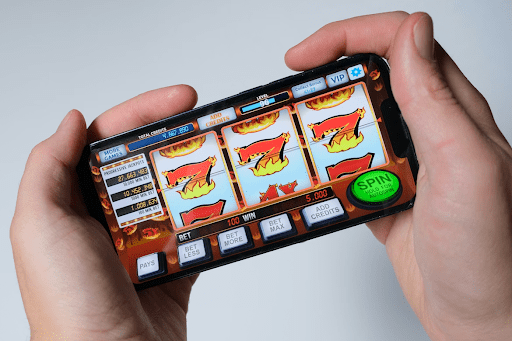
Slot gaming has historically lived inside a specific cultural frame: bright lights, isolated reels, and a slightly transactional feel that did not always invite the kind of social participation other gaming categories enjoy. The sweepstakes social casino model has changed that picture in ways the industry took a while to notice. By restructuring the experience around prize redemption instead of financial stakes, these platforms removed the pressure that traditionally defined slot gaming and replaced it with something that feels closer to a community-driven hobby than a serious financial activity. The result has been one of the most interesting category shifts in recent gaming culture.
The success of this model has been gradual but consistent. Players who would never have considered themselves slot fans have started to engage with these platforms in significant numbers, drawn in by the casual atmosphere, the social features and the relaxed pacing that the sweepstakes model makes possible. Operators have invested in the community side of the experience deliberately, building chat features, leaderboards, social events and content tools that bring players together instead of isolating them at individual machines. The whole product feels different, and the audience has responded.
What made the casual angle work
The key insight behind sweepstakes social casinos is that slot gaming does not have to feel high-stakes to be entertaining. Strip away the financial pressure and what remains is a tight, well-designed entertainment loop with appealing visuals, satisfying audio cues and quick session pacing. Players visiting platforms that offer slot games without spending real money experience the same fundamental design that makes slot mechanics compelling, just without the layer of pressure that historically defined the format. The shift has opened slot gaming to audiences who previously dismissed it as not for them.
This casual reframing has interesting implications for how players engage with the format over time. Without the pressure of financial outcomes, players treat sessions more like they would treat a casual mobile game or a social activity. They drop in for short visits, return when the mood strikes, and build relationships with specific titles based on what they actually enjoy, not what offers the best mathematical return. The relationship between player and platform becomes more like a regular hobby than a transactional engagement.
Why community features became central, not peripheral
Traditional slot floors were built around individual experience. Each machine was its own little world. The sweepstakes social casino model rebuilt the entire structure around shared experience. Chat rooms attached to specific games, tournament formats that bring players into friendly competition, community events tied to specific dates or themes, and social media integration that lets players share moments with friends outside the platform all combine to make the experience social by default, not by accident. Industry reporting on the record growth of the US sweepstakes casino market in 2026 has linked exactly this kind of community-first design choice to the format’s rapid expansion among mobile-native users in the 25-to-45 demographic.
This community focus turns out to matter enormously for retention. Players who form social connections through a platform stay engaged far longer than those who treat it as a solo activity. The data on this is clear across many entertainment categories, and the sweepstakes social casino space has been one of the most successful at applying the lesson. Operators that lean into community features deeply have built audiences that return regularly not just for the games themselves but for the people they encounter while playing.
The design language that supports casual engagement
The visual and interaction design of modern sweepstakes social casinos reflects the casual positioning thoroughly. Interfaces avoid the gold-and-red traditional aesthetic and lean toward bright, friendly visual systems that feel more like mobile gaming than traditional casino floors. Tutorial flows are gentle. Onboarding is brief. The whole platform is designed to feel approachable instead of intimidating, and the design language signals throughout that the experience is meant to be light, not serious.
Audio design supports the same goal. Sound effects feel celebratory, not dramatic. Background music sets a mood without trying to manipulate emotional state. The whole sensory package communicates that this is entertainment in the same category as casual mobile gaming, and players who arrive expecting one thing and find the other are often pleasantly surprised. Industry analysis of how sweepstakes casinos are projected to become a $10 billion category by 2026 credits exactly this kind of approachable design choice for the model’s strong appeal to audiences who never engaged with traditional slot formats.
The role of prize redemption in the casual model
The prize redemption mechanic at the heart of sweepstakes social casinos is genuinely different from traditional slot gaming structures. Players engage with the games using virtual currency that has no inherent value, and outcomes can sometimes be redeemed for prizes within specific legal frameworks. This structure removes the financial pressure from the moment-to-moment experience while still giving outcomes some real-world meaning, which produces a hybrid that has turned out to fit a lot of player preferences better than either pure free-play or traditional formats do.
The legal and regulatory frameworks around sweepstakes models vary by jurisdiction, and operators have had to build their platforms carefully to operate within these constraints. The work involved in doing this correctly is substantial, but the resulting product is something that genuinely fits how modern players want to engage with slot gaming. Casual, community-driven, low-pressure, and connected to a broader social fabric that traditional slot experiences could not replicate.
Why the community-first model rewrote slot gaming for a new audience
Looking at where the slot gaming category sits today versus where it sat a decade ago, the sweepstakes social casino model has been one of the most consequential shifts in how the format is delivered and experienced. By removing financial pressure and centering community participation, these platforms unlocked audiences who would never have engaged with traditional slot gaming, built loyalty that older models struggled to match, and demonstrated that the entertainment value of slot mechanics does not depend on the pressure that the format was historically built around. The wider trend of how sweepstakes gambling thrives best alongside traditional formats reflects exactly the broader ecosystem dynamics this model has produced. The players who have made these platforms part of their regular entertainment routines are unlikely to go back to older formats anytime soon, and the broader gaming industry is starting to notice that the lessons from this corner of the market apply more widely than initial observers suggested.