
Every February the Daytona 500 offers the NASCAR Cup Series at Daytona International Speedway. The race attracts veteran drivers, young talent, and thousands of fans who want to watch 500 miles of superspeedway racing. Supporters travel to Daytona Beach or sit at home to follow one of the most famous events in American motorsport. The race often sets the tone for the championship fight that follows.
TV Schedule for the Daytona 500
The Daytona 500 is often held in mid-February, and it is the first race of the year in the Cup Series. Television networks begin reporting long before the green flag flies, so audiences have time to watch driver introductions, interviews, and last-minute preparations on pit road. The broadcast coverage usually starts about 90 minutes before the start of the race. In the United States, the event is traditionally aired by FOX and introduces audiences to the afternoon start with pre-race stories and driver features.
The weather tends to disrupt the start time, so fans usually refer to the official schedule in the morning of the race, then sit down to watch. The 2026 race provided a clear-cut picture of how broadcast day generally goes. At 1:30 p.m. Eastern time, FOX began coverage of the race, after officials moved the race earlier due to possible rain. The green flag flew just before 2:00 p.m., giving viewers a bit more time to see the entire 500-mile race.
Fans also have several ways to follow the race beyond standard television coverage.
Streaming and TV
Streaming platforms sometimes carry the race for subscribers. This option gives viewers without cable television a way to watch the event live on phones, tablets, or smart televisions.
Radio
The Motor Racing Network offers full radio coverage of the race, while SiriusXM NASCAR Radio delivers the broadcast across the United States.
Pre‑race events
Speedweeks activities such as the Busch Light Clash and the Duel qualifying races help build excitement before race day. Networks often replay highlights from these events during race‑day coverage.
Viewers in the U.S. needed access to FOX’s NASCAR coverage. International fans could find broadcasters via NASCAR’s global schedule, but for a safe bet stateside, FOX Sports app was the go-to for live video.
Network partners like FOX often run pre-race features and driver interviews. On race day, count on NASCAR America on NBCSN or FS1 for analysis (even though NBCSN covered other weeks, they sometimes preview big races). For most fans the simplest plan stays the same every year: set aside Sunday afternoon, turn on the broadcast early, and keep a radio option ready if you step away from the screen.
Qualify and the Start the Grid
Daytona uses a special qualifying design that mixes single‑car qualifying laps with two Duel races. The pole position is awarded to the fastest driver in qualifying, with the second-fastest driver taking the remaining front position. The remaining positions in the field are adjusted later in the Duel races, which fixes most of them. Daytona system drivers have to excel in both time trial and small qualifying races. The arrangement usually creates a grid that combines mature champions and aggressive younger drivers who desire to demonstrate themselves in one of the largest stages in NASCAR.
The 2026 Daytona model illustrates how this process can be implemented. Kyle Busch was able to secure the pole position with the speediest qualification lap, and Chase Briscoe was able to qualify in the second spot in the front row. These performances in the time trials ensured that they could be in good positions in the race on Sunday. The Duel races then sorted the remaining grid. Joey Logano and Chase Elliott won their Duels and got starting positions in first place. Veterans like Ryan Blaney and Austin Dillon also gained good starting positions after good performances during those races. Still deeper down the field, young drivers and rookies struggled to get their chance. Many fans were impressed with Connor Zilisch in a comfortable starting position, and seven-time champion Jimmie Johnson also made another Daytona appearance and occupied one of the last places in the starting line.
Sports outlets such as NBC Sports and FOX Sports usually publish the full field once qualifying ends. A typical starting grid may look like this:
- Row 1: Pole winner and second‑fastest qualifier.
- Row 2: Duel race winners.
- Row 3–5: Strong Duel finishers and quick qualifiers.
Further down the field appear familiar names such as Christopher Bell, John Hunter Nemechek, and Shane van Gisbergen along with rising prospects who search for their first major result at Daytona.
Grandstands fill quickly on race day, and the Daytona crowd ranks among the largest of the NASCAR season. The field usually includes champions, experienced veterans, and newcomers who earned their places through the qualifying system.
Race-Day Checklist and Tips
Tune-in plan
Decide how you will watch the race before race day. Will you watch on TV, stream on a phone, or keep radio as backup? Turn the broadcast on early so you catch driver features and final pit lane notes. If you stream, sign in ahead. A password problem at the last moment can cost you the start. Put a short checklist by the door so you do not forget chargers and any logins.
Weather prep
Daytona weather can change fast. Sun one hour, a short shower the next. Pack a cap, sunscreen, and a light jacket. A small foldable umbrella fits in a backpack and saves a lot of hassle. Check the forecast that morning and adjust layers so you stay comfortable from first sight to last lap.
Comfort and basics
If you go to the track, bring ear plugs because engines stay loud for hours. A small seat cushion helps during long green flag runs. If you watch at home, make a tidy viewing spot. Put drinks and snacks close by and plug your phone in before the race. A power bank helps if you plan a full day on site.
Apps and live updates
Use the NASCAR app for caution alerts and stage results. A live timing page shows position moves fast so you can follow real time changes without hunting for updates. If you track a fantasy entry or a friendly bet, set alerts so you can check status at a glance.
Pit cycle and stage breaks
Pit stops under green cost a lot of time. Watch when teams come in and how long their work takes. Stage breaks create a short window to step away without missing action. Put a reminder for each stage end on your phone so you do not miss restarts.
Travel and parking
Arrive early. Parking fills fast and traffic grows well before the green flag. Many fans use shuttle service to avoid long walks. After the race, expect slow traffic. Know the route you will take and allow extra time so you do not rush.
Cash and connection
Carry small bills for quick purchases. Mobile service can slow in a crowd. Download tickets and any passes before you reach the gate. If you plan to stream, check your data plan or find a local Wi-Fi spot before the race.
Short breaks and quick entertainment
Plan small diversions that fit a stage break or a caution. One short activity keeps energy high without missing key laps. Keep the plan simple: one activity, one budget, one stop time. Decide in advance when you will stop so the race stays the main event.
Short breaks, local venues and phone options
Daytona Beach is not only about the race. The beach, local spots, and indoor venues give visitors a different side of the city between race sessions. A well-known spot in the area, the Daytona Beach Racing & Card Club sits close to the speedway and runs poker tables along with other card games. The room stays cool, the screens stay clear, and the race remains noticeable while the crowd settles in for poker or table games. It suits fans who want a quieter pace, a social setting, and a place to catch a stage break without losing touch with the event.
Most fans now prefer to stay in their seats and not miss any on-track action. A phone becomes the easiest way to stay engaged during short breaks. Many players log in before the broadcast, set a clear budget, and keep one game ready for a quick session between stages. This way, they remain part of the race atmosphere while still enjoying a short gameplay.
Many fans now open a quick session on their phones during cautions and Kwikky Casino tends to come up for short slot rounds, with titles such as The Dog House Megaways fitting easily into those breaks. The key is simple. Open the game early, know the limits, and avoid constant app switching. The Dog House Megaways suits the beat of the Daytona 500. Rounds move fast, and bonus play adds a short burst of energy without taking too much time. A few spins can sit neatly within a stage break, then the phone goes down as soon as the race returns to full pace.
Simple rules for day play
- Keep the budget fixed and stop at that line.
- Choose one game and one stake level, then stay with it.
- Keep the sound low so race commentary stays clear.
- Step away before the final laps unless you plan to miss the finish.
Small race-day habits that help
Set phone reminders for stage breaks. Keep a printed grid or a simple tracker sheet beside you. Follow one driver closely so the race feels more personal. Keep the charger nearby so the phone does not die halfway through the afternoon.
Race Strategy and Key Factors
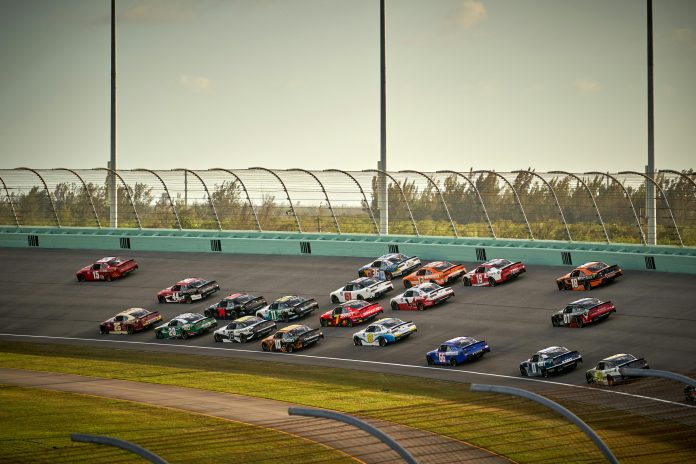
The Daytona 500 differs from many other NASCAR events. The 2.5‑mile oval produces pack racing where cars run close together for long stretches of the race.
Pack race
Superspeedway rules limit top speed and force cars into tight lines. Drivers rely on drafting partners to move forward through the field. Loss of the draft may drop a car from the front group to the back within only a few laps.
Big wrecks
Large multi‑car crashes sometimes occur when many cars run nose to tail. A small mistake can involve several drivers, so patience, awareness, attention to detail remain as important as speed.
Pit stops
Pit road speed limits make each stop costly. Late in the race, teams must choose between two tires or fuel only to gain track position and for a quicker stop or four tires for stronger pace later in the race.
Fuel moves
Fuel move has become the most important part of the Daytona 500. Long green‑flag runs near the end of the event may turn fuel strategy into the key factor. Drivers sometimes ease the accelerator to stretch fuel and avoid another pit stop.
Stage restarts
Stage restarts are high stake moments that divide the 200-lap race into three different segments. Restart rules affect driver aggression when the green flag waves again. A restart near the end of a stage often makes intense battles through the field.
Tire wear
Tire wear is mostly low compared to other NASCAR tracks, which means cars often maintain similar speed at the start and the end of the fuel stretch. The Daytona surface remains relatively smooth, so tire wear stays moderate. Many teams choose two tires in order to save time on pit road.
Driver skill
Superspeedway specialists often perform well at Daytona, yet confident rookies also find opportunities when the pack forms late in the race.
Weather changes, early crashes, or late fuel decisions can change the outcome quickly. Several caution periods and frequent position changes remain part of the Daytona experience.
Pit Stops, Penalties, and Purses
Technical inspections may lead to lineup changes before the race starts. If a car misses the mark inspection, NASCAR may remove the driver from the team or move to another competitor into the position. Pit road penalties also disturb the race. Speed violations or loose equipment can cost valued track position and force a driver to recover through traffic.
The Daytona 500 gets rewarded among the largest in NASCAR. Millions of dollars spread across the field, which raises pressure on drivers, team members, and team owners throughout the race. Packed grandstands and post‑race celebrations keep the Daytona 500 among the most important events on the racing calendar. Fans often track fantasy contests or betting markets during the event to add another layer of interest.