
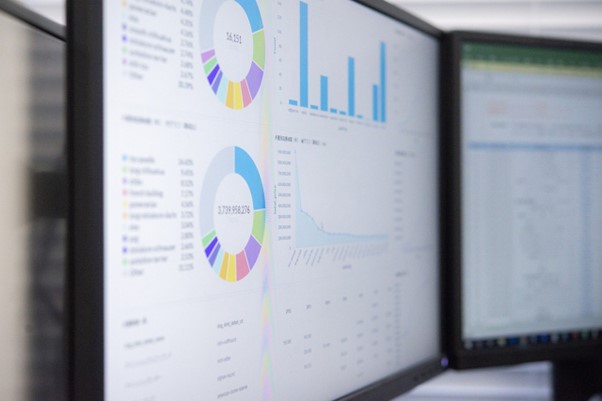
In today’s fast-moving digital environment, users expect online platforms to remain available, responsive, and reliable whenever they choose to access them. For an online slot platform such as batman138, stable access depends on much more than simply keeping a website online. Behind the interface, servers, databases, networks, security systems, game services, and authentication processes must work together continuously. Real-time monitoring helps operators observe these components, identify potential problems, and respond before technical issues create major disruptions for users.
Understanding Real-Time Monitoring
Real-time monitoring is the continuous observation of digital systems and their performance. Instead of waiting for users to report that a website is slow or unavailable, monitoring tools can detect unusual activity and technical problems as they develop.
For an online slot platform, monitoring can cover many areas simultaneously. These may include server health, network connectivity, application response times, database performance, login services, payment-related systems, and game-session functionality.
The central objective is simple: identify problems as early as possible. When operators have immediate visibility into system performance, they can investigate unusual behavior before it develops into a larger access problem.
Why Stable Access Matters for Online Slot Platforms
Stable access is an essential part of any online entertainment platform. Users generally expect pages to load correctly, accounts to remain accessible, and interactive features to respond without unnecessary delays.
A brief technical problem can affect several connected services at once. For example, a server overload could slow down account pages while simultaneously affecting game loading and authentication. Without monitoring, identifying the original cause may take longer.
Real-time monitoring gives technical teams a clearer picture of what is happening. Instead of relying solely on user complaints, operators can examine system signals and determine which component requires attention.
This approach supports a more consistent digital experience and reduces the likelihood that small technical problems will remain unnoticed.
Monitoring Server Performance
Servers form the foundation of an online platform. They process requests, deliver website content, support applications, and communicate with other services.
Real-time monitoring can track important server indicators such as processor utilization, memory consumption, storage capacity, network activity, and system response times. When these indicators move beyond normal operating ranges, alerts can notify technical teams.
This is particularly useful during periods of increased traffic. If a platform experiences a sudden increase in visitors, server resources may become heavily utilized. Monitoring allows operators to recognize the increase and determine whether additional resources or optimization are required.
Regular observation also helps identify recurring patterns. If performance consistently declines at certain times, technical teams can investigate the cause and prepare the infrastructure accordingly.
Detecting Slowdowns Before They Become Outages
One of the most valuable benefits of real-time monitoring is early detection.
A complete outage is often not the first sign of a technical problem. A platform may begin experiencing slower responses, increased errors, database delays, or network instability before users encounter a complete service interruption.
Monitoring can identify these warning signs and help operators take preventive action.
For example, if average response times gradually increase, the technical team can investigate server capacity, application processes, database queries, or network conditions. Addressing the underlying issue early can prevent the problem from becoming more serious.
This makes monitoring a proactive reliability strategy rather than simply an emergency response system.
Monitoring Network Connectivity
Online platforms depend heavily on network connectivity. Even when application servers are operating normally, users may experience access problems if network connections become unstable.
Real-time network monitoring can examine latency, packet loss, connection failures, traffic levels, and other indicators. These measurements help technical teams determine whether a problem originates within the platform or somewhere along the network path.
Multiple monitoring locations can also provide a broader perspective. A service might appear accessible from one region while users in another location experience connection problems.
By examining network conditions continuously, operators can respond more effectively to connectivity-related incidents.
Application and Website Monitoring
Infrastructure monitoring alone is not enough. A server can appear healthy while an important application feature is malfunctioning.
Application monitoring focuses on how software behaves from the user’s perspective. It can help identify failed requests, slow API responses, login errors, broken pages, and unexpected application behavior.
For an online slot platform, this type of monitoring is particularly important because users interact with several services during a session.
A healthy monitoring strategy should therefore examine both infrastructure and application functionality. This creates a more complete understanding of platform availability.
Protecting Account Access
Authentication is another important part of stable access. Users need reliable login and account-management services to reach their profiles.
Real-time monitoring can track authentication requests, failed login patterns, session activity, and service response times. Unusual increases in failed authentication attempts may require investigation because they could indicate either a technical issue or suspicious activity.
Monitoring can therefore support both availability and security.
Security monitoring is especially valuable when systems handle account information or other sensitive data. Strong monitoring practices can help technical teams identify unusual access patterns and investigate potential threats promptly.
Monitoring Database Health
Many online services depend on databases to store and retrieve information. If a database becomes overloaded or experiences connection problems, users may notice slow pages, failed requests, or incomplete functionality.
Real-time database monitoring can track query performance, connection usage, resource consumption, and error rates.
Suppose database queries suddenly begin taking much longer than normal. Monitoring can reveal the change quickly, allowing technical specialists to investigate inefficient queries, increased traffic, resource limitations, or other causes.
Maintaining database performance is therefore an important part of maintaining overall platform stability.
Managing Traffic Spikes
Online platforms can experience unpredictable changes in traffic. A sudden increase in visitors may place additional pressure on servers, databases, networks, and application services.
Real-time monitoring helps operators understand these changes as they happen.
Traffic metrics can reveal how many requests are reaching the platform, which services are receiving the most activity, and whether system resources are approaching capacity.
With this information, operators can make better decisions about scaling and resource allocation. The objective is not simply to respond after a system becomes overloaded but to recognize increasing demand early.
Automated Alerts and Faster Responses
Monitoring becomes significantly more useful when it includes intelligent alerting.
Instead of requiring technical staff to watch dashboards constantly, monitoring systems can send alerts when predefined thresholds are exceeded. Alerts might relate to high server utilization, increased error rates, unusual latency, failed health checks, or service interruptions.
However, effective alerting requires careful configuration. Too many unnecessary notifications can create alert fatigue, making important incidents easier to overlook. Monitoring systems should therefore prioritize meaningful alerts that require attention.
Clear escalation procedures can further improve response times by directing specific problems to the appropriate technical team.
Security Monitoring and Threat Detection
Stable access also depends on protecting the platform from security threats. Cyberattacks, suspicious requests, unauthorized access attempts, and abnormal traffic can affect both security and availability.
Real-time security monitoring can identify unusual patterns and provide early warnings.
For example, a sudden increase in requests from suspicious sources could indicate an attempted attack or automated abuse. Similarly, repeated authentication failures may require investigation.
Security monitoring should work alongside other monitoring systems rather than operating independently. Correlating application, network, and security information can give technical teams a clearer understanding of an incident.
Improving Incident Response
When an incident occurs, speed matters. The longer a technical issue remains unresolved, the greater its potential impact on users.
Real-time monitoring provides valuable information during incident response. Technical teams can examine when the problem started, which services were affected, and how system behavior changed before the incident.
Historical monitoring data can also help determine whether a similar issue occurred previously.
After an incident has been resolved, this information can support a post-incident review. Teams can identify the underlying cause, evaluate the response, and make improvements designed to reduce the likelihood of recurrence.
The Importance of Monitoring User Experience
Technical health does not always equal a good user experience.
A server may be operating within normal limits while a particular page remains slow or a specific feature fails. This is why user-focused monitoring is important.
Operators can monitor key user journeys such as accessing the website, signing in, navigating between pages, and loading relevant services.
By measuring these journeys, technical teams gain a better understanding of what users actually experience rather than focusing only on infrastructure statistics.
Using Historical Data for Better Decisions
Real-time monitoring provides immediate information, but historical data is equally valuable.
Performance records can reveal long-term trends that are difficult to identify from individual incidents. Operators can compare current behavior with previous periods and identify recurring performance changes.
Historical information can also support capacity planning. If traffic and resource usage consistently increase over time, infrastructure teams can prepare for future requirements instead of waiting for capacity problems to appear.
This combination of real-time and historical monitoring creates a stronger reliability strategy.
Reducing Downtime Through Proactive Maintenance
Monitoring should not only be used during emergencies. It can support routine maintenance and long-term improvements.
When operators understand which systems experience the most stress, they can prioritize upgrades and optimization work.
For example, consistently high resource usage might indicate the need for additional capacity. Repeated application errors could suggest that software requires improvement. Frequent network problems may point toward infrastructure changes.
This proactive approach helps transform monitoring data into practical improvements.
Building a More Reliable Online Experience
Real-time monitoring is most effective when it becomes part of a broader reliability strategy. It should work alongside secure infrastructure, regular maintenance, backup procedures, testing, incident-response plans, and responsible operational practices.
The goal is not to eliminate every possible technical problem. No complex digital platform can guarantee that nothing will ever fail.
Instead, the objective is to identify problems quickly, understand their causes, reduce their impact, and restore normal service efficiently.
Conclusion
Real-time monitoring plays an important role in maintaining stable access to modern online slot platforms. By continuously observing servers, networks, applications, databases, authentication systems, traffic levels, and security events, operators can identify potential problems before they become major disruptions.
For platforms such as Batman138, reliable access depends on coordinated technical systems working together behind the scenes. Monitoring provides the visibility needed to maintain those systems effectively.
When combined with proactive maintenance, intelligent alerts, security controls, performance optimization, and effective incident response, real-time monitoring can create a more dependable digital environment. Ultimately, stable access is not achieved through a single technology. It comes from continuous observation, timely action, and a commitment to improving platform reliability over time.