The National Football League has always been America’s biggest sports league, but today’s NFL is becoming much more than a football competition. It’s an entertainment powerhouse that blends live sports, streaming technology, social media, and immersive storytelling into a year-round product.
Game day is no longer just about what happens between the sidelines. Fans now experience football through alternate broadcasts, behind-the-scenes documentaries, real-time social media coverage, fantasy football, sports betting integrations, and thousands of photos shared within minutes of every big play.
For broadcasters, publishers, photographers, and content creators, the NFL’s transformation is creating new opportunities—and new challenges.
Football Has Become Year-Round Entertainment
Not long ago, fan engagement centered almost exclusively around Sunday games. Today, the NFL dominates headlines throughout the entire calendar.
The offseason has become a content machine thanks to:
- Free agency
- The NFL Draft
- Training camp
- Schedule releases
- Player interviews
- Documentary series
- Trade rumors
- Social media content
Every event generates millions of views, allowing broadcasters and publishers to keep audiences engaged long after the Super Bowl.
Instead of simply covering games, media companies now cover the personalities, stories, and culture surrounding the league.
Streaming Is Reshaping NFL Broadcasting
Traditional television still attracts enormous audiences, but streaming platforms have dramatically changed how fans consume football.
Viewers now expect to watch games across multiple devices, whether they’re at home, traveling, or following their fantasy football lineup on a smartphone.
Broadcasts increasingly include:
- Real-time statistics
- Player tracking data
- Interactive graphics
- Alternate commentary feeds
- Betting information
- Fantasy football updates
These features create a more personalized viewing experience while attracting younger audiences who are accustomed to digital-first entertainment.
Streaming has also expanded the NFL’s international reach, allowing fans worldwide to access games more easily than ever before.
Social Media Drives Every Story
One spectacular touchdown can become one of the most shared moments on the internet within minutes.
Platforms like Instagram, X, TikTok, YouTube, and Facebook have become essential parts of the NFL media ecosystem.
Teams now employ entire content departments dedicated to producing:
- Short-form videos
- Locker room celebrations
- Practice highlights
- Player interviews
- Mic’d-up moments
- Community events
Fans don’t simply watch football anymore—they consume a constant stream of content throughout the week.
This continuous demand has increased the need for high-quality editorial photography and video coverage.
The Growing Importance of Editorial Photography
While video dominates social media, photography remains one of the most valuable storytelling tools in sports journalism.
A single image can capture:
- A game-winning touchdown
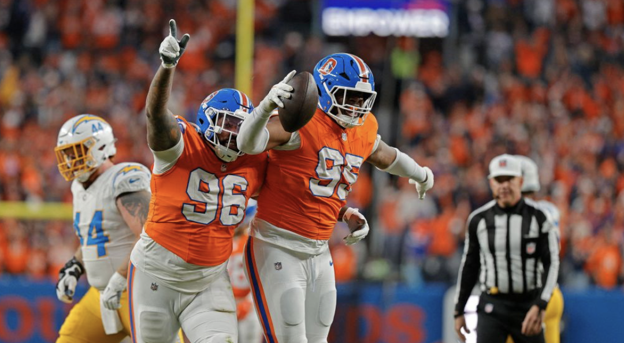
- An emotional celebration
- A dramatic interception
- A disappointed quarterback
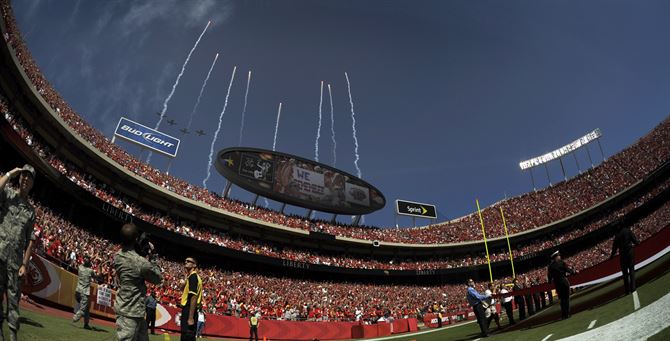
- Fans celebrating in the stands
- Historic moments that define a season
Editorial NFL photographs help publishers tell stories that go far beyond the box score.
As NFL coverage becomes increasingly digital, websites often require multiple images for every article, whether they’re reporting on injuries, trade rumors, playoff previews, or player features.
Publishers covering the league regularly rely on editorial photo libraries from organizations such as Reuters, Getty Images, AP, and growing platforms like Vecteezy, which offer editorial sports photography covering professional sporting events. Having access to authentic, licensed images helps news organizations produce timely coverage while maintaining professional editorial standards.
Broadcasters Are Becoming Storytellers
Modern NFL broadcasts are no longer limited to calling the action on the field.
Production teams now spend enormous resources developing storylines before kickoff.
Viewers learn about:
- Players overcoming adversity
- Rookie development
- Coaching strategies
- Family backgrounds
- Community involvement
- Historic rivalries
Advanced graphics, slow-motion cameras, drone footage, and sideline reporting combine to create a cinematic viewing experience.
This approach keeps casual fans engaged while giving dedicated supporters deeper insight into the league.
Technology Is Changing How Games Are Covered
The technology used during NFL broadcasts has advanced significantly over the past decade.
Today’s productions often feature:
- Ultra-high-definition cameras
- SkyCam systems
- Pylon cameras
- Goal-line cameras
- Wireless sideline cameras
- Super slow-motion replay systems
Artificial intelligence is also beginning to assist broadcasters by organizing highlights, identifying key plays, and improving production workflows.
These innovations make games more exciting while providing journalists with richer visual content for post-game coverage.
Fans Want Instant Content
Speed has become one of the biggest competitive advantages in sports media.
As soon as a major play occurs, fans expect:
- Photos
- Video clips
- Player reactions
- Injury updates
- Statistics
- Expert analysis
Publishers that can combine fast reporting with compelling visuals are more likely to capture traffic before audiences move on to the next story.
This has made editorial photographers indispensable on game day, with many images being transmitted directly from the stadium within moments of the action.
The NFL’s Global Audience Continues to Grow
The NFL has invested heavily in expanding beyond the United States.
International games in cities such as London, Munich, São Paulo, Madrid, and Dublin have introduced new audiences to American football.
As the league expands globally, international media outlets require more localized coverage, including editorial photography that captures both the action on the field and the atmosphere surrounding these events.
Global growth also increases demand for multilingual reporting, digital content, and visual storytelling that appeals to fans across different markets.
AI Is Supporting Content Creation
Artificial intelligence is beginning to influence many aspects of sports journalism.
Media organizations now use AI to help with:
- Article summaries
- Statistical research
- Video transcription
- Caption generation
- Content recommendations
- Archive organization
While AI improves efficiency, it doesn’t replace original reporting or photography.
Fans still value authentic images captured by professional photojournalists during live games. These images document moments that cannot be recreated and continue to serve as an essential part of sports coverage.
The Future of NFL Media
The NFL’s evolution shows no signs of slowing down.
Future broadcasts may include even more interactive experiences, personalized viewing options, augmented reality graphics, and AI-assisted production tools.
At the same time, editorial photography will remain a cornerstone of football journalism. While technology changes how fans consume content, compelling images continue to provide the emotion, authenticity, and historical record that define the sport.
For publishers, photographers, broadcasters, and content creators, the opportunities have never been greater. Success will increasingly depend on combining fast reporting, engaging storytelling, professional visuals, and digital-first publishing strategies.
The NFL has evolved from a sports league into one of the world’s most sophisticated entertainment businesses. Broadcasting innovations, streaming platforms, social media, and new technologies have transformed how fans experience football, creating a constant demand for high-quality content.
Editorial photography remains a critical part of that experience. From dramatic game-winning catches to emotional locker room celebrations, powerful images continue to tell the stories that fans remember long after the final whistle. As the league grows internationally and embraces new forms of media, publishers that pair compelling journalism with authentic editorial photography will be best positioned to engage the next generation of football fans.