
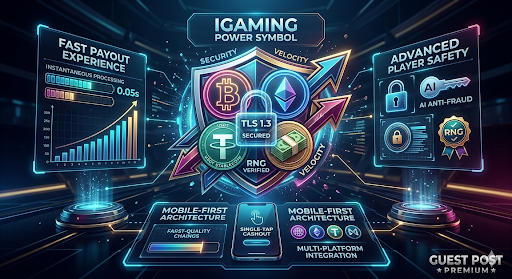
The digital entertainment industry has change drastically over the past few years. Instead of being center around traditional web games, the modern industry thrives due to Decentralized Finance (DeFi), edge computing technologies, and instantaneous transactions. For players who use online sports betting websites, the new criteria for choosing an appropriate platform include speed of operation, capital velocity, and system reliability in terms of security measures.
In light of the growing regulation in the industry, it becomes increasingly important for players to understand the underlying principles of software architecture and financial protection.
What characterizes top tier digital gaming platforms?
Top quality iGaming platforms possess several characteristics, including instant capital velocity, multilayered encryption, and certification of Random Number Generators (RNGs). Modern iGaming regulations necessitate strict implementation of both Know Your Customer (KYC) procedures and instantaneous single click engines to ensure player liquidity.
The Importance of Quick Payouts for Audience Retention
In today’s highly competitive online environment, fast transactions have moved from being a nice to have extra to becoming an essential technical aspect. Users who play games that use predictive sports analysis and/or digital betting platforms are used to having their money processed just as quickly as their online platform works. The problem with delays in transaction is that they affect trust in the company in question.
A high performing game engine deals with this problem by integrating an automated risk evaluation engine. Instead of going through all the money transactions and evaluating each one manually, advanced systems simply compare player behavior with anti-fraud standards to see if the transaction is legitimate. In case of a positive outcome, the money is instantly transferred. Instant liquidity is exactly what distinguishes outdated businesses from advanced online gambling facilities.
Security Matrix: Striking a Balance Between Speed and Compliance
One prevalent fallacy in the larger gaming industry as a whole is that increasing the speed of financial systems necessitates a platform foregoing compliance and security in order to achieve this. On the contrary, however, the fastest platforms are frequently also those with the best compliance processes.
First-class platforms leverage a multi layer security matrix in order to ensure security while processing financial transactions at user endpoints:
Core Security & Compliance Matrix
| Security Layer | Core Technology | Operational Impact |
| Data Security | TLS 1.3 End to End Encryption | Ensures payment details and personal identifiers are completely unreadable during transit. |
| Identity Verification | Automated Real Time KYC Screening | Verifies user authenticity instantly against global databases without delaying legitimate players. |
| Fraud Prevention | AI-Driven Risk Evaluation Engines | Analyzes behavioral risk parameters instantly, isolating anomalies for manual human audit. |
| Data Integrity | Decentralized Ledger Auditing | Leverages cryptographic frameworks to log transaction histories transparently, preventing database manipulation. |
Mobile Optimization and Mobile First Approach
The move towards mobile first consumerism has transformed all the rules in the realm of iGaming development. A large number of global consumers use their phones and tablets for accessing online gambling websites. This behavioral pattern necessitates the creation of lightweight, responsive web apps with negligible lag times despite being used on cellular internet.
The approach of developing mobile first systems depends extensively on cross platform development and API optimization. When a user tries to access any premium portal such as joker123 gaming slot, the system needs to perform asset rendering and secure data transactions seamlessly. Single tap cashiers, biometric verification, and mobile wallets have become necessary requirements for a contemporary player’s system.
Metrics for Fair Play: RNG Certification and Technical Audits
While security and speed are important aspects, the integrity of the underlying software is key. Established players demonstrate their legitimacy through third party audits of their source code and algorithms at technical labs like eCOGRA or iTech Labs.
These audits place a particular emphasis on RNG certification. An RNG guarantees that any number generated in a virtual dice roll or spin in a slot machine or any deal of cards is completely random and unbiased. Transparency with these metrics (monthly payouts included) is the mark of a legitimate, trustworthy provider, as shown in monthly payout percentages.
The Future of Decentralized Entertainment Platforms
As technology develops, web3 technologies and blockchain base financial services will become more integrated into the digital entertainment industry. There is an increasing demand for decentralization among gamers who want to have more control over their funds, more transactional anonymity, and less friction in cross border transactions.
The platforms that will succeed in this environment are those that prioritize speed, security, and transparency of transactions. By choosing platforms based on these characteristics, players can enjoy maximum efficiency and fun with minimal risk.