
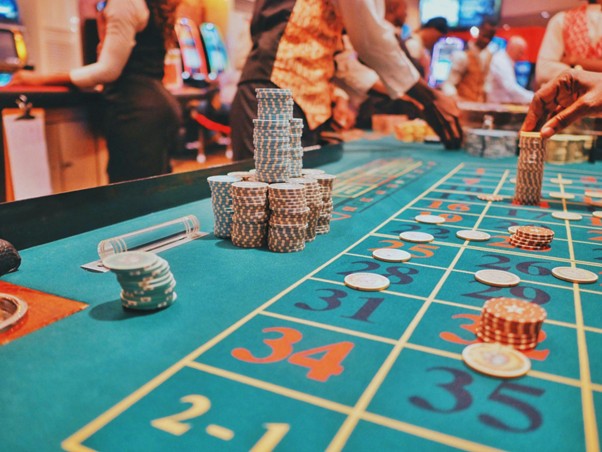
The thrill of online gaming can make time disappear, especially when every round feels like it could deliver an exciting result. For people exploring platforms such as luxury138 the attraction may come from the variety of games, fast-paced action, and anticipation that accompanies every decision. However, the idea that staying awake all night is worthwhile because winning has become an addiction deserves a more thoughtful perspective. Entertainment should remain enjoyable and controlled rather than becoming something that interferes with sleep, finances, relationships, or everyday responsibilities.
Why All-Nighters Can Feel So Exciting
There is something naturally compelling about late-night gaming. Fewer distractions, a quiet environment, and uninterrupted time can make an online session feel more immersive. When the excitement of a possible win is added to the experience, players may find themselves continuing far longer than originally planned.
The problem begins when an evening session turns into several hours without a clear stopping point. The player may initially intend to play for only a short period but continue because the next round feels important. This cycle can make an ordinary entertainment activity gradually become difficult to control.
Winning can also create a strong emotional response. A successful round may encourage someone to continue playing in the hope of experiencing the same excitement again. When this happens repeatedly, it becomes important to recognize that enjoyment and compulsive behavior are not the same thing.
The Psychology Behind Chasing Another Win
One reason gambling-style entertainment can become difficult to stop is uncertainty. When the result of the next round is unknown, anticipation keeps attention focused on what might happen next.
A win can produce excitement, while a loss can create the desire to recover what was spent. This combination can encourage someone to keep playing even after deciding that the session should end.
The phrase “just one more round” can become especially powerful. Each additional round appears small on its own, but many decisions can add up to hours of play and significant spending.
Understanding this pattern is useful because recognizing the emotional process can make it easier to step away. A person does not need to wait until gaming becomes a serious problem before establishing boundaries.
Why Sleep Should Never Be the Price of Entertainment
Pulling an occasional late night for entertainment may happen, but regularly sacrificing sleep for gaming can affect everyday life. Sleep is essential for concentration, emotional balance, decision-making, and physical well-being.
When someone stays awake throughout the night, the following day can become much more difficult. Work, education, family commitments, exercise, and social activities may all suffer when proper rest is repeatedly postponed.
Fatigue can also affect judgment. Someone who is tired may find it harder to recognize when they should stop playing or when spending decisions are becoming unreasonable.
For this reason, an exciting gaming session should never be treated as more important than basic daily needs. The goal should be entertainment that fits comfortably into life rather than entertainment that takes control of it.
Winning Does Not Guarantee Future Wins
One of the most important principles of gambling is that previous outcomes do not guarantee future outcomes. A player who wins several rounds cannot assume that another win is automatically due.
Likewise, losing several times does not mean that a win must be coming next.
This is sometimes difficult to accept because humans naturally search for patterns. A series of positive results can create confidence, while a series of losses can encourage someone to keep playing in an attempt to recover money.
Responsible decision-making requires separating emotion from probability. A past result should not be used as proof that the next result will follow the same pattern.
Setting a Time Limit Before Playing
A simple way to keep gaming under control is to decide how long the session will last before starting.
For example, a player might choose a specific stopping time and treat it as a firm boundary. Once that time arrives, the session ends regardless of whether the player is currently winning or losing.
This approach is particularly useful because decisions made before excitement takes over are often easier to follow. During an intense session, the desire to continue can become much stronger.
Using a phone alarm, timer, or calendar reminder can provide an external signal that it is time to stop. The important point is to respect the limit rather than repeatedly extending it.
Establishing a Spending Budget
Time is only one part of responsible gaming. Money also requires clear boundaries.
Players should decide in advance how much they can comfortably afford to spend on entertainment. That amount should never come from money needed for rent, food, education, household expenses, debt payments, or other essential commitments.
Once the predetermined entertainment budget has been reached, playing should stop. Trying to recover losses by increasing the amount spent can quickly make a manageable activity financially stressful.
A useful mindset is to consider the money spent as an entertainment expense rather than an investment. There is no guaranteed return, and gambling should never be treated as a reliable method of earning income.
Never Chase Losses
Chasing losses is one of the most dangerous habits associated with gambling.
Imagine a player loses an amount they originally planned to spend. Instead of accepting the loss and stopping, they increase the next wager because they believe another win can restore their balance.
This strategy can create a damaging cycle. One loss may lead to a larger wager, which can lead to another loss and an even stronger desire to recover the money.
The healthier response is to accept that losses can happen and respect the original spending limit. Walking away may feel disappointing in the moment, but it prevents a single session from becoming increasingly expensive.
Keeping Gaming Separate From Daily Responsibilities
Online entertainment is easier to manage when it has a clear place within a balanced routine.
Work and study should be completed before recreational gaming begins. Important appointments, family responsibilities, exercise, meals, and sleep should not repeatedly be postponed because a gaming session is continuing.
Creating this separation also helps prevent gaming from becoming the default response to boredom or stress.
When entertainment remains one part of a varied lifestyle, it is less likely to dominate the person’s schedule.
Recognizing Warning Signs
Problematic gambling does not always begin with an obvious crisis. Sometimes the warning signs are small and develop gradually.
Potential warning signs include spending more time or money than originally planned, repeatedly thinking about gambling during other activities, hiding gaming habits from people close to you, feeling irritated when unable to play, borrowing money to continue playing, or repeatedly trying to recover previous losses.
Another important warning sign is continuing despite negative consequences.
If gaming begins affecting sleep, work, finances, relationships, or emotional well-being, it is worth taking a break and reassessing the situation.
Why “Addiction” Should Not Be Romanticized
The idea that being addicted to winning makes an all-nighter worthwhile may sound dramatic or entertaining in promotional language, but addiction is not a sign of success.
Winning can be exciting, but compulsive behavior removes the ability to choose when to stop. The difference between enthusiasm and addiction is important.
A healthy player should be able to close the game, go to sleep, return to work or study, and continue with normal responsibilities without feeling overwhelmed by the urge to play.
Real control means being able to enjoy entertainment without allowing it to dictate the rest of life.
Making Online Gaming More Balanced
A balanced approach can make recreational gaming much more sustainable.
Players can create a few simple rules, such as:
- Set a fixed entertainment budget.
- Decide on a maximum session length.
- Never borrow money for gambling.
- Never chase losses.
- Take regular breaks.
- Avoid playing when extremely tired or emotionally distressed.
- Keep gambling separate from essential expenses.
- Stop when the predetermined limit is reached.
- Protect normal sleeping hours.
- Seek support if gambling begins to feel uncontrollable.
These boundaries do not eliminate the entertainment aspect. Instead, they help keep entertainment in its proper place.
Taking a Break Can Be a Smart Decision
Sometimes the best move is simply to step away.
A break gives the mind an opportunity to reset and makes it easier to evaluate whether gaming is still enjoyable or has become a source of pressure. Even a short pause can interrupt the automatic habit of immediately starting another round.
During a break, people can focus on other activities such as exercising, watching a movie, spending time with friends, reading, cooking, or getting proper sleep.
If someone repeatedly tries to stop but cannot, reaching out to a trusted person or a professional support service can be an important step.
Enjoy the Experience Without Losing Control
Online gaming can be entertaining when approached with realistic expectations and sensible boundaries. The excitement of a possible win can be part of the experience, but it should never become a reason to sacrifice sleep, financial stability, relationships, or responsibilities.
An all-nighter may sound exciting in a slogan, but winning is never a good reason to ignore personal limits. The strongest position is being able to enjoy a session and confidently walk away when the planned time or budget has been reached.
Ultimately, entertainment should add enjoyment to life rather than take over life. Whether someone plays occasionally or simply enjoys exploring online gaming environments, responsible habits provide the foundation for keeping the experience controlled, sustainable, and genuinely enjoyable.