
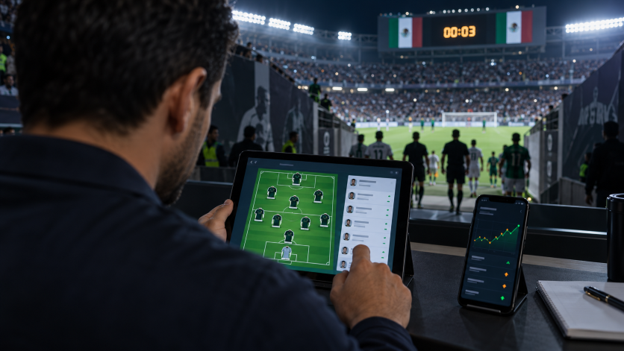
Choosing between betting early and waiting until just before kickoff can significantly affect the value of a selection. Soccer AI predictions can help analyze probabilities and data, but they do not eliminate uncertainty. To understand the early vs. late betting debate in football, it is important to assess what information the market has already factored in and what could still move the betting odds.
Betting Early to Find Better Odds
Opening lines are usually released when information about injuries, squad rotation, and match conditions is still limited. This can create early line value in sports betting if a bettor identifies odds that do not accurately reflect the true probability of an outcome.
For example, a model based on expected goals (xG), team form, and home advantage may suggest that a favorite’s odds should be shorter. Placing a bet before the market corrects the line allows bettors to capture value. This strategy can also be useful in markets such as the Asian handicap or over 2.5 goals, where even a small shift can affect long-term returns.
However, betting early means accepting greater uncertainty. An injury, a managerial change, or unexpected squad rotation can completely alter the match prediction. Finding attractive odds is therefore not enough; bettors must also consider how reliable and stable the available information is.
Waiting for Lineups and Team News
Waiting for starting XI team news betting updates can reduce some of that uncertainty. Confirmed starting lineups reveal whether key forwards are playing, whether the manager is resting regular starters, or whether the team has changed its tactical system.
Waiting can be particularly important in Liga MX, where teams often face long journeys, midweek fixtures, and squad rotation ahead of the final stage of the competition. The downside is that other bettors also react to team news. If a key player is ruled out, the bookmaker will quickly adjust the odds, and the original value may disappear.
Betting late does not mean trying to predict the market’s final move. It means deciding whether the additional certainty is worth accepting potentially less favorable odds. In liquid markets, significant news can move both the main line and the goal totals within minutes.
How to Decide When to Lock In Football Odds
Timing your football bets right begins with setting a target price for every selection. If the available odds are higher than your own estimated fair price and no critical news is pending, betting early may make sense. If your analysis depends heavily on specific players, waiting for the confirmed lineup is usually the more prudent choice.
A practical approach is to consider:
- how much value the current odds offer;
- which upcoming news could change the prediction;
- how quickly the market typically reacts;
- how much risk your bankroll management strategy allows.
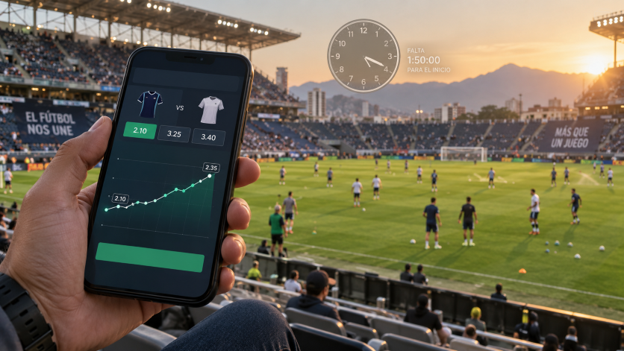
After reviewing these factors, record the odds you took and compare them with the closing price. Closing line value soccer betting analysis can help assess the quality of your process. Consistently securing better odds than the closing line is generally a positive sign, even if an individual bet loses.
Conclusion
The early bets vs late bets football debate has no universally correct answer. Early bets may offer better prices, while late bets provide more complete information. The best decisions combine statistical analysis, close monitoring of team news, and discipline. Knowing when to lock in football odds means recognizing when the available value justifies acting—and when it is worth paying the price of waiting.