

This information was prepared by the Daler Crypto Casino team. Daler is KYC friendly.
| Deciding how much to share is a matter of personal freedom. Online privacy lets adults choose what information the services they use can hold. Constant monitoring tends to change how people behave, a pattern known as the chilling effect. Choosing privacy-friendly platforms is a normal choice, and it should come with self-responsibility, including clear time and money limits. |
Adults make choices about their own lives all day long: what to eat, how to spend a weekend, what to share and with whom. Privacy online belongs on that list. So does the self-care that keeps those choices healthy.
Autonomy and privacy go together
Autonomy means being able to make decisions about your own life. Privacy makes that possible, because it gives you space to think, explore and choose without someone looking over your shoulder.
When every choice is recorded and judged, people tend to choose differently. They play it safe, follow the crowd and keep their real preferences to themselves.
Privacy protects the room to be yourself. That’s as true for how you spend a quiet evening as it is for what you believe. It’s closely tied to dignity, the sense that some parts of life belong to you alone.
Privacy is where freedom starts.
How being watched changes behaviour
There’s a name for what happens when people know they’re being monitored: the chilling effect. People start holding back. They avoid searching for certain topics, stay quiet in conversations or skip activities that are perfectly legal, simply because someone might be watching.
It doesn’t take dramatic surveillance to cause this. Knowing that a company stores your ID, tracks your activity and might share it can be enough to make you think twice about ordinary choices.
The effect is often invisible, because what people choose not to do leaves no trace. Online, it happens on a larger scale, since the watching is constant and the records last.
Over time, those small hesitations add up. A life lived with the sense of being watched is a smaller one.
Choosing privacy is a normal choice
Wanting privacy isn’t strange or suspicious. The Tor Project’s piece on the freedom to browse privately makes the case that everyone has the right to browse the internet without being subjected to surveillance, including people who don’t consider themselves tech-savvy.
That applies to entertainment, too. An adult who picks a gaming platform that doesn’t require a passport scan is making the same kind of decision as someone who closes the curtains at night.
Most people already make privacy choices without thinking about it, such as closing a door, lowering their voice in a café or keeping a diary in a drawer. Privacy-friendly platforms simply make the same preference easier to act on.
You don’t owe anyone an explanation for that. It’s simply a preference about who holds your information.
Freedom and self-responsibility
Freedom comes with responsibility. Private play means fewer outside checks, so the checks you set for yourself matter more.
Responsibility here isn’t about guilt or restriction. It’s about making sure the choice stays enjoyable, which is the whole reason to make it, and about respecting a platform’s rules, which exist partly to keep play fair for everyone.
There are trade-offs to accept as well. Platforms that collect less data may offer fewer formal protections in a dispute. Crypto payments can’t be reversed, and prices can move while funds sit in an account.
Rules on gambling and crypto also differ between places, so check what applies where you live. Choosing freely includes choosing within the law.

Setting your own limits
Online gaming is only for adults: 18 or older, or the higher legal age where you are. Treat it as entertainment you pay for, like a concert ticket, not as a way to earn money.
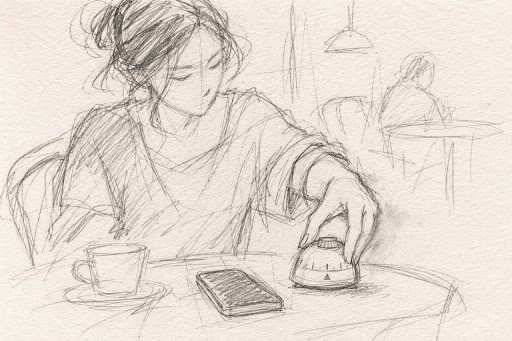
Before you start, decide how much you’re willing to spend and stick to it. Set a time limit too, and use a timer if it helps. Many platforms offer tools such as deposit limits, session reminders or self-exclusion, and they’re worth switching on.
Limits are what keep it fun.
Keep your gaming funds separate from your everyday money. A dedicated wallet holding only your entertainment budget makes the limit visible every time you open it.
Check in with yourself after each session. If you’re playing to feel better or to win back money, that’s a sign to stop for the day. Telling someone you trust about your limits can make them easier to keep.
Watch for warning signs: chasing losses, playing longer than you planned, borrowing to play or feeling stressed when you’re not playing. If any of those sound familiar, take a break and talk to someone you trust, or contact a local support service.
Choose your limit before you log in. Write it down, and let that number decide when the session ends.